Failure to Respond to Fetal Distress: Understanding Preventable Birth Injuries
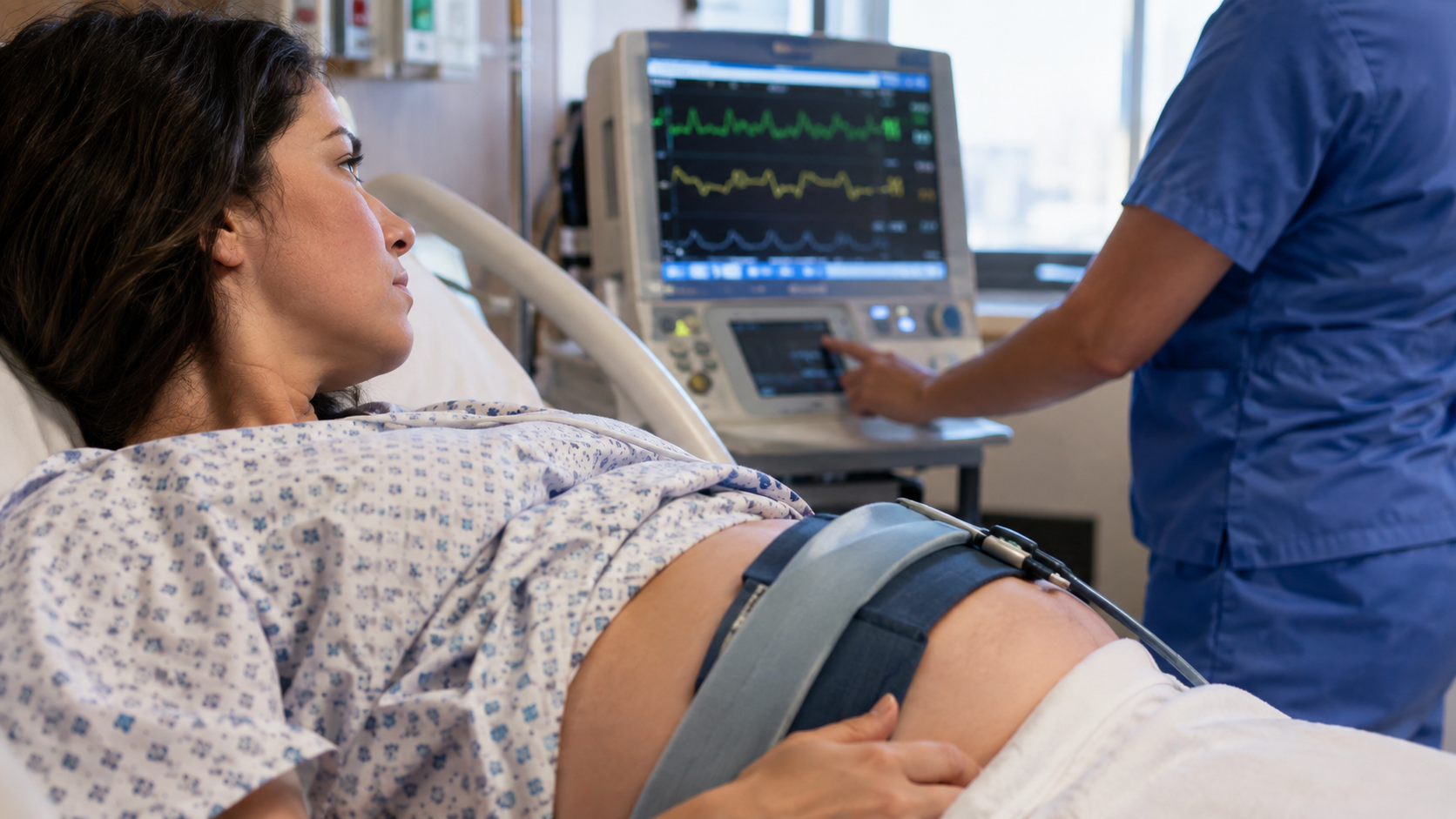
Healthcare team monitoring fetal distress during labor and delivery

During labor and delivery, healthcare providers must continuously evaluate the health of both mother and baby. When warning signs appear, timely recognition and appropriate action can be critical. In some situations, a concerning fetal heart rate pattern may indicate that a baby is not tolerating labor well and may need additional monitoring, changes in management, or an emergency delivery.

When a provider fails to recognize or appropriately respond to fetal distress, the consequences can be devastating. A prolonged interruption of oxygen-rich blood flow may contribute to serious newborn complications, including neurological injury. Depending on the circumstances, a failure to respond to fetal distress may also raise questions about medical negligence and a potential birth injury claim.

At Zaveri Law Firm, our team helps families investigate whether preventable medical errors contributed to injuries sustained during labor or delivery. We understand that these cases require careful review of medical records, fetal monitoring information, delivery documentation, and the child's subsequent medical condition.


What Does Fetal Distress Mean?

The phrase "fetal distress" is commonly used to describe signs that a fetus may be experiencing difficulty during labor. One of the most important tools for identifying these concerns is fetal heart rate monitoring.

Healthcare providers may monitor the baby's heart rate continuously or intermittently depending on the circumstances. Changes in the fetal heart rate can provide information about how the baby is tolerating contractions and whether additional evaluation or intervention may be necessary.

Potential warning signs can include abnormal heart rate patterns, prolonged decreases in heart rate, recurrent decelerations, or other findings that indicate the baby may not be receiving adequate oxygen.

Importantly, an abnormal fetal heart rate tracing does not automatically mean that a birth injury occurred. Medical professionals must interpret the tracing in context and consider the mother's condition, stage of labor, medications, contractions, and other factors.


How Fetal Monitoring Can Identify Problems

Fetal monitoring can provide a continuous record of changes in a baby's heart rate throughout labor. This information can help our legal team and medical experts understand what occurred before, during, and immediately before delivery.

When a concerning pattern develops, healthcare providers may take steps to improve fetal oxygenation and determine whether the situation is resolving. Depending on the circumstances, appropriate responses can include repositioning the mother, addressing contractions, providing appropriate supportive measures, stopping certain medications, evaluating possible complications, or preparing for an expedited delivery.

When concerning patterns persist or worsen, an emergency C-section may become necessary in some circumstances.

The specific response depends on the medical situation. What matters in a potential medical negligence case is whether the healthcare team recognized the warning signs and responded within an appropriate timeframe under the circumstances.


Warning Signs That May Require Prompt Intervention

Several developments during labor can warrant closer attention. Examples may include:

Some of these circumstances can develop suddenly and without warning. Others may become apparent through fetal monitoring over time.

Our review focuses on the complete sequence of events rather than one isolated monitor reading.


What Should Happen When Fetal Distress Develops?

When fetal monitoring becomes concerning, healthcare providers may need to reassess the mother and baby, identify the potential cause, attempt appropriate corrective measures, and determine whether delivery should be expedited.

The appropriate intervention varies from case to case. In some situations, the fetal heart rate returns to a reassuring pattern after corrective measures. In other situations, persistent abnormalities may require an emergency C-section or another urgent intervention.

The timing of these decisions can matter. A prolonged period of reduced oxygen delivery may increase the risk of serious complications. Modern neonatal guidance recognizes that hypoxic-ischemic encephalopathy can result from perinatal asphyxia and that early treatment may improve outcomes for qualifying newborns.


When Failure to Respond May Become Medical Negligence

Not every birth complication is caused by negligence. Childbirth involves medical risks, and even appropriate care cannot prevent every adverse outcome.

A potential birth injury malpractice claim generally requires more than showing that an injury occurred. Our investigation may need to determine whether the healthcare provider owed a duty of care, whether the standard of care was breached, whether that breach caused or contributed to the injury, and whether the child and family sustained legally compensable damages.

For example, a potential claim may arise when evidence suggests that a provider failed to recognize a significant fetal heart rate abnormality, failed to appropriately respond to persistent concerning findings, delayed an indicated emergency delivery, or otherwise failed to provide appropriate care.

Determining whether negligence occurred requires a detailed medical and legal evaluation.


Oxygen Deprivation and Newborn Brain Injuries

The brain requires an adequate supply of oxygen and blood. When a newborn experiences a significant hypoxic or ischemic event, neurological injury can occur.

One possible condition is hypoxic-ischemic encephalopathy, commonly called HIE. HIE involves neurological dysfunction associated with hypoxic-ischemic injury. However, neonatal encephalopathy can have multiple causes, and medical evidence must be evaluated carefully before attributing an injury to an intrapartum oxygen-deprivation event.

Potential consequences of serious newborn brain injury may include seizures, developmental difficulties, movement disorders, cognitive impairments, feeding difficulties, or other neurological problems.

Some children may require extensive therapy and medical care throughout childhood and into adulthood.


Can Fetal Distress Be Connected to Cerebral Palsy?

Cerebral palsy can have many different causes and contributing factors. Although hypoxic-ischemic injury can be associated with cerebral palsy, medical research does not support assuming that every case of cerebral palsy resulted from oxygen deprivation during labor.

Cerebral palsy can arise from multiple pathways, including conditions occurring before, during, or after birth. A comprehensive evaluation may consider fetal monitoring, neonatal condition, umbilical cord blood gases, neuroimaging, placental findings, and other evidence.

For that reason, our team does not rely on a diagnosis alone. We work to understand the complete medical history and determine whether the available evidence supports a connection between the medical care provided and the child's injury.


Why Fetal Monitoring Strips and Medical Records Matter

Fetal monitoring strips can be particularly important in a birth injury investigation because they may show how the baby's condition changed throughout labor.

Our team may seek records such as:

Medical experts may then evaluate whether the documented fetal condition, provider response, timing of interventions, and newborn outcome are medically consistent with preventable harm.


Evidence Families Should Preserve

Families should preserve documents and information related to the pregnancy, delivery, and child's treatment whenever possible.

Keep copies of medical records, discharge paperwork, diagnostic reports, therapy records, bills, prescription information, and correspondence concerning the child's condition. Families may also wish to maintain a timeline describing significant events during pregnancy, labor, delivery, hospitalization, and subsequent treatment.

Do not alter or discard potentially relevant documents.

If you believe a birth injury may have resulted from negligent medical care, contacting our team early can help preserve important evidence and determine what additional records should be requested.


Long-Term Care After a Birth Injury

The financial consequences of a serious birth injury can extend far beyond the initial hospitalization.

A child with a significant neurological or physical injury may require ongoing physician appointments, medications, physical therapy, occupational therapy, speech therapy, assistive equipment, specialized education, home modifications, or personal assistance.

Some families may also need to plan for future medical care and support that extends well into adulthood.

Our approach considers both the child's current needs and the potential long-term consequences of the injury. Depending on the circumstances of a case, damages may potentially include medical expenses, rehabilitation costs, future care needs, lost earning capacity, pain and suffering, and other legally recoverable losses.


What Our Birth Injury Legal Team Can Do

At Zaveri Law Firm, our services are focused on investigating what happened and helping families understand their legal options.

Our team can review available medical documentation, investigate the circumstances surrounding the delivery, work with appropriate medical professionals, evaluate potential negligence and causation issues, and pursue compensation when the evidence supports a claim.

Our Baltimore birth injury practice specifically addresses circumstances involving fetal health monitoring, failure to deliver promptly, C-section complications, umbilical cord complications, and other potential causes of birth injuries.

We understand that parents should be able to focus on their child's medical care rather than navigating complicated communications with insurance companies.

Do not talk to insurance companies without legal representation.

Speak to Zaveri Law Firm first. Our team can handle communications with insurance companies on your behalf while we evaluate your situation and protect your legal interests.


Frequently Asked Questions

What is a fetal distress birth injury?

A fetal distress birth injury may occur when concerning signs during labor are not appropriately recognized or addressed and the baby subsequently suffers an injury. Whether negligence occurred depends on the specific medical facts and evidence.

Does fetal distress always cause a birth injury?

No. An abnormal fetal heart rate pattern does not automatically mean that a baby suffered permanent harm. The outcome depends on the nature, duration, severity, and cause of the abnormality, as well as the medical response.

Can failure to monitor fetal distress lead to a malpractice claim?

Potentially. If evidence shows that healthcare providers failed to appropriately monitor the baby or respond to significant warning signs and that this failure caused or contributed to an injury, a medical malpractice claim may be possible.

Can oxygen deprivation cause cerebral palsy?

Oxygen deprivation can contribute to certain types of neonatal brain injury, and hypoxic-ischemic injury can be associated with cerebral palsy. However, cerebral palsy has multiple potential causes, so medical evidence is necessary to determine whether an intrapartum hypoxic event contributed to a particular child's condition.

What records should I request after a suspected birth injury?

Important records may include fetal monitoring strips, labor and delivery records, nursing notes, physician notes, operative reports, neonatal records, Apgar scores, cord blood gases, imaging studies, NICU records, and placental pathology.

How can Zaveri Law Firm help with a birth injury case?

Our team investigates the circumstances surrounding the injury, reviews medical records, consults appropriate medical professionals, evaluates potential negligence and causation, and pursues compensation when supported by the evidence.


Conclusion

A failure to respond to fetal distress can have devastating consequences when concerning signs are not recognized or appropriate intervention is delayed. Fetal monitoring, timely assessment, and appropriate medical decision-making can be important components of safe labor and delivery.

When a newborn suffers a serious brain injury or another birth injury, families deserve answers about what happened. Reviewing fetal monitoring strips, medical records, delivery documentation, neonatal evidence, and long-term medical needs can help establish a clearer picture of the circumstances.

At Zaveri Law Firm, our team understands how overwhelming a preventable birth injury can be. We work to investigate potential medical negligence and help families understand their legal options.

If your child experienced a serious injury following fetal distress, delayed intervention, oxygen deprivation, or another complication during labor or delivery, contact us for a consultation.

Do not talk to insurance companies without legal representation. Call Zaveri Law Firm and allow our team to handle communications with insurance companies while we review your potential claim.

Phone: (240) 292-8374
Address: 516 N Charles St #400, Baltimore, Maryland, MD 21201
Website: zaverilawfirm.com

Our Baltimore birth injury team is available to discuss the circumstances surrounding your child's injury and help you understand the next steps.

Shoulder Dystocia Birth Injuries: When Delivery Room Errors Cause Lasting Harm

Few moments in life should be as joyful as welcoming a new baby into the world. Families trust doctors, nurses, and hospitals to provide safe, attentive care throughout labor and delivery. While childbirth always carries some level of risk, many birth injuries occur because healthcare providers fail to recognize warning signs, respond appropriately to complications, or follow accepted medical standards.

One of the most serious delivery emergencies is shoulder dystocia, a complication that can quickly turn an anticipated healthy birth into a traumatic event for both the baby and the parents. When medical professionals fail to act promptly or use excessive force during delivery, shoulder dystocia can result in permanent injuries, lifelong disabilities, and emotional trauma that affects an entire family.

At Zaveri Law Firm, we understand how devastating birth injuries can be. Parents deserve answers when preventable medical errors leave their child facing years of medical treatment, rehabilitation, or permanent disability. Our team helps families throughout Baltimore and across Maryland pursue accountability after negligent medical care causes life-changing birth injuries.


What Is Shoulder Dystocia?

Shoulder dystocia occurs when a baby's head has been delivered, but one or both shoulders become lodged behind the mother's pelvic bone. Because the baby's body cannot be delivered normally, this creates a true medical emergency that requires immediate and appropriate intervention.

Although many deliveries proceed without complications, shoulder dystocia can unexpectedly develop even during what appeared to be a routine labor. Once it occurs, healthcare providers have only a limited amount of time to safely deliver the baby before oxygen deprivation or physical injuries become increasingly likely.

Proper training, preparation, and prompt decision-making are essential. Most obstetricians receive extensive education on handling shoulder dystocia because improper management can have lifelong consequences.


Why Shoulder Dystocia Is So Dangerous

During shoulder dystocia, several serious risks arise simultaneously.

The baby's oxygen supply may become compromised if delivery is significantly delayed.

Pressure placed on the baby's neck or shoulders may damage delicate nerves.

Excessive pulling during delivery can fracture bones or injure the spinal cord.

The mother may experience severe bleeding, extensive tearing, uterine damage, or other childbirth complications.

Because every minute matters, medical providers must respond carefully rather than panic or apply excessive force.


Risk Factors That May Increase the Chance of Shoulder Dystocia

Although shoulder dystocia cannot always be predicted, certain situations increase its likelihood.

Common risk factors include:

Even when risk factors exist, they do not automatically mean shoulder dystocia will occur. However, they should alert medical professionals to closely monitor labor and prepare for possible complications.


Can Shoulder Dystocia Be Prevented?

Not every case can be prevented.

However, many birth injury lawsuits involve situations where healthcare providers recognized—or should have recognized—that a patient faced an increased risk but failed to properly prepare.

Preventive care may include:

Failure to properly evaluate these risks may constitute medical negligence under certain circumstances.


Common Delivery Room Errors

When shoulder dystocia occurs, doctors are expected to follow established obstetrical procedures designed to safely release the baby's shoulder without causing unnecessary injury.

Errors may include:

Even a few moments of poor decision-making can permanently change a child's future.


Injuries Babies May Suffer

Shoulder dystocia may cause numerous serious birth injuries.

Brachial Plexus Injuries

One of the most common complications involves damage to the brachial plexus, a network of nerves controlling movement and sensation in the shoulder, arm, and hand.

These injuries may result in:

Some children recover with therapy, while others experience lifelong impairment.


Erb's Palsy

Erb's palsy is among the best-known brachial plexus injuries.

Children with Erb's palsy may struggle to:

Severe nerve damage sometimes requires surgery followed by years of physical therapy.


Klumpke's Palsy

Damage involving the lower brachial plexus nerves may affect hand function.

Children may experience:


Fractured Bones

Improper delivery techniques can fracture:

While many fractures heal, they often indicate significant force was used during delivery.


Brain Injuries

If oxygen deprivation occurs during prolonged shoulder dystocia, babies may develop:

These injuries often require lifelong medical care.


Spinal Cord Injuries

Although rare, excessive traction during delivery can damage the spinal cord, resulting in devastating permanent disabilities.


Facial Nerve Injuries

Pressure during difficult deliveries may temporarily or permanently affect facial muscles.


Injuries Mothers May Experience

The mother's health can also be seriously affected.

Possible complications include:

Recovery may require additional surgeries and prolonged rehabilitation.


Signs Parents Should Watch For

Parents often notice signs of birth injury shortly after delivery.

These may include:

Early diagnosis can improve treatment outcomes.


Long-Term Consequences

For some children, shoulder dystocia injuries heal with time and therapy.

Others face permanent disabilities requiring:

Parents may also face significant financial challenges due to ongoing medical expenses and reduced earning capacity if they must leave work to care for their child.


Emotional Impact on Families

Birth injuries affect far more than physical health.

Many parents struggle with:

Watching a child undergo repeated treatments and surgeries can be emotionally overwhelming.

Families deserve compassionate support while seeking answers about what happened during delivery.


When Shoulder Dystocia May Be Medical Negligence

Not every poor outcome means malpractice occurred.

However, negligence may exist when healthcare providers fail to provide care that reasonably competent professionals would have delivered under similar circumstances.

Examples include:

Determining whether negligence occurred requires careful review of medical records and expert medical opinions.


How Medical Records Help Reveal the Truth

Medical records often provide important evidence.

They may include:

These documents help medical experts evaluate whether accepted standards of care were followed.


Compensation May Help Families Move Forward

Every case is different, but compensation may help cover losses such as:

A successful claim cannot erase the injury, but it can provide resources that improve a child's quality of life.


Why Legal Representation Matters

Hospitals and medical providers often have experienced legal teams and insurance companies working to protect their interests.

Families should protect their own interests as well.

Do not talk to insurance companies without legal representation.

Insurance representatives may appear sympathetic, but their priorities often differ from yours. Before providing statements, signing documents, or discussing settlements, speak with an experienced birth injury attorney.

At Zaveri Law Firm, we handle communications with insurance companies on behalf of our clients so families can focus on caring for their children.


Why Families Choose Zaveri Law Firm

Birth injury cases are among the most medically complex legal matters.

Our team understands that parents are already facing emotional, financial, and medical challenges. We work to investigate what happened, gather evidence, consult qualified medical experts, and pursue accountability when preventable errors have harmed a child.

Families throughout Baltimore and Maryland turn to Zaveri Law Firm because we provide:

Every child deserves the opportunity for the healthiest future possible. Explore our practice areas to learn more about how we assist families, and read our blog for ongoing medical-legal insights.


Frequently Asked Questions

Is shoulder dystocia always caused by medical negligence?

No. Shoulder dystocia can occur even when healthcare providers deliver appropriate care. However, negligence may exist if medical professionals failed to anticipate known risks, delayed necessary treatment, or used improper delivery techniques.

Can shoulder dystocia cause permanent disabilities?

Yes. Severe cases may lead to permanent nerve damage, cerebral palsy, paralysis, developmental delays, or lifelong physical impairments.

How soon should parents seek legal advice?

It is generally beneficial to speak with an attorney as soon as concerns arise. Early investigation helps preserve medical records and allows experts to begin evaluating the circumstances surrounding the delivery.

What if doctors told us birth injuries were unavoidable?

That does not necessarily mean negligence did not occur. An independent review of the medical records may reveal preventable errors that contributed to your child's injuries.

Can a child recover from a brachial plexus injury?

Some children recover fully with therapy, while others require surgery or experience permanent limitations. Recovery depends on the severity of the nerve damage.

How can Zaveri Law Firm help?

Our team investigates birth injury cases, works with qualified medical experts, gathers evidence, handles communications with insurance companies, and helps families pursue compensation when negligent medical care causes preventable harm.


Conclusion

Shoulder dystocia is one of the most serious emergencies that can occur during childbirth. While not every case is preventable, many devastating birth injuries happen because healthcare providers fail to recognize warning signs, prepare for known risks, or respond appropriately when complications arise. The consequences can affect a child and their family for decades, creating emotional, physical, and financial challenges that no parent expects to face after welcoming a new baby.

If your child suffered a brachial plexus injury, Erb's palsy, cerebral palsy, or another serious birth injury after a difficult delivery, you deserve clear answers about what happened. A thorough investigation can determine whether preventable medical errors contributed to your child's condition and whether legal action may be appropriate.

If you believe your child's shoulder dystocia birth injury could have been prevented, contact Zaveri Law Firm to discuss your situation. Our team is committed to helping families throughout Baltimore and Maryland understand their legal options and pursue accountability when medical negligence causes lasting harm.

Do not talk to insurance companies without legal representation. Let Zaveri Law Firm handle communications on your behalf while you focus on your child's care and recovery.

Zaveri Law Firm
Address: 516 N Charles St. #400, Baltimore, MD 21201
Phone: (240) 292-8374
Email: kzaveri@zaverilawfirm.com
Website: zaverilawfirm.com

A Lifetime Changed in Seconds: The Devastating Impact of Birth Injuries Caused by Negligence

Do Birth Injuries Have Long-Term Effects? | Chicago, IL

What Are Birth Injuries?

A birth injury refers to any physical harm sustained by a baby before, during, or shortly after delivery. These injuries can range from minor bruises that heal quickly to severe, life-altering conditions such as brain damage or paralysis.

It is important to distinguish between unavoidable complications and those caused by medical negligence. While childbirth inherently carries risks, healthcare providers are trained to anticipate and manage complications effectively. When they fail to do so, and harm results, it may be considered negligence.

Medical negligence occurs when a doctor, nurse, or other healthcare professional fails to meet the accepted standard of care. This includes errors in judgment, delayed responses, improper procedures, or failure to monitor the health of the mother and baby.

The Emotional Shock: When Expectations Collapse

For many parents, a birth injury comes as a shocking and unexpected event. One moment, the labor appears to be progressing normally, filled with anticipation and hope. The next moment, chaos can erupt in the delivery room—rushed movements, urgent medical decisions, and a flurry of unfamiliar terminology. Parents may feel powerless as healthcare providers work quickly to stabilize their child, while their own emotions swing between fear, confusion, and disbelief. This sudden transition from joy to crisis can leave lasting emotional scars, making it difficult for families to process what has happened and to begin planning for the future.

Instead of hearing reassuring words, parents may hear phrases like:

The transition from excitement to fear can be overwhelming. Parents may feel helpless, confused, and terrified for their child’s life. This emotional trauma often lingers long after the initial event.

Common Causes of Birth Injuries Due to Negligence

Many birth injuries are preventable and often occur due to avoidable medical mistakes during labor and delivery. Common causes include failure to properly monitor fetal distress, delays or errors in performing cesarean sections, improper use of delivery tools such as forceps or vacuum extractors, medication mistakes, undiagnosed or poorly managed maternal complications, and inadequate prenatal care. Poor communication among medical staff can also contribute to these errors. Each of these failures can result in serious consequences, including brain damage, nerve injuries, or lifelong disabilities. Awareness and timely intervention are crucial to prevent such life-altering outcomes for newborns.

1. Failure to Monitor Fetal Distress

Medical professionals must carefully track the baby’s heart rate and oxygen levels during labor. Signs of distress, such as abnormal heart rhythms, require immediate action. Ignoring or misinterpreting these signs can result in oxygen deprivation, leading to brain damage or conditions like cerebral palsy.

2. Delayed or Improper Cesarean Section

A cesarean section (C-section) can be a lifesaving procedure. However, delays in performing one when necessary can cause severe harm. Conversely, performing a C-section improperly can also lead to complications.

3. Misuse of Delivery Tools

Forceps and vacuum extractors are sometimes used to assist in delivery. When used incorrectly or with excessive force, they can cause skull fractures, brain injuries, or nerve damage.

4. Medication Errors

Administering the wrong medication or incorrect dosage can affect both the mother and baby. For example, improper use of labor-inducing drugs can cause contractions that are too strong or too frequent, reducing oxygen supply to the baby.

5. Failure to Diagnose Maternal Conditions

Conditions such as preeclampsia, gestational diabetes, and infections must be properly diagnosed and managed. Failure to do so can increase the risk of complications during delivery.

6. Lack of Proper Prenatal Care

Inadequate prenatal care can lead to missed warning signs and preventable complications. Regular checkups are essential for identifying risks early.

7. Poor Communication Among Medical Staff

Miscommunication between doctors, nurses, and other staff can lead to delays or errors in treatment, increasing the likelihood of injury.

Types of Birth Injuries

Birth injuries can vary widely in severity, ranging from minor, temporary issues to serious, lifelong disabilities that profoundly affect a child’s development. Some injuries may heal with time and treatment, while others result in permanent physical, cognitive, or neurological challenges. The long-term impact often extends beyond the child, affecting the entire family emotionally, physically, and financially. Children with severe injuries may require ongoing medical care, specialized therapy, adaptive equipment, and educational support. Families often need guidance, resources, and emotional support to navigate these challenges, emphasizing the importance of early intervention and comprehensive care to improve outcomes and quality of life.

Injuries Affecting the Baby

Cerebral Palsy
Often caused by oxygen deprivation during birth, cerebral palsy affects muscle control, coordination, and movement. It is usually a lifelong condition.

Brachial Plexus Injuries
These occur when the nerves controlling the arm and hand are damaged, often due to excessive pulling during delivery. This can result in weakness or paralysis.

Brain Damage (Hypoxic-Ischemic Encephalopathy)
A lack of oxygen to the brain can cause permanent damage, affecting cognitive and physical development.

Fractures
Broken bones, particularly the clavicle, can occur during difficult deliveries.

Spinal Cord Injuries
Though rare, these injuries can result in paralysis and severe disability.

Injuries Affecting the Mother

Birth injuries are not limited to babies. Mothers can also suffer serious complications, including:

These injuries can have lasting physical and emotional effects on the mother’s well-being.

The Lifelong Consequences of Birth Injuries

1. Physical Challenges

Children with severe birth injuries often face lifelong physical challenges, including:

These challenges can significantly impact the child’s independence and quality of life.

2. Developmental and Cognitive Delays

Some birth injuries affect brain function, leading to:

Early intervention can help, but many children require ongoing support throughout their lives.

3. Emotional and Psychological Impact

The emotional toll on families is immense. Parents may experience:

Children with birth injuries may also struggle with self-esteem and social inclusion as they grow older.

4. Financial Burden

The financial impact of a birth injury can be overwhelming. Expenses may include:

In many cases, one parent may need to leave their job to become a full-time caregiver, further reducing household income.

Recognizing Signs of Medical Negligence

Not every birth injury is the result of negligence. However, certain warning signs may indicate that something went wrong:

If you suspect negligence, it is important to seek a professional evaluation as soon as possible.

Legal Rights of Families

Families affected by birth injuries have the right to pursue legal action if negligence is involved. A birth injury claim can help secure compensation for:

Legal action is not just about financial recovery—it is also about accountability and preventing similar incidents from happening to others.

The Role of a Birth Injury Lawyer

Birth injury cases are complex and require specialized knowledge of both medical and legal principles. An experienced lawyer can:

Having skilled legal representation ensures that your case is handled with the care and expertise it deserves.

Preventing Birth Injuries

Although not all birth injuries are unavoidable, many can be prevented with vigilant medical care, timely interventions, and careful monitoring. Proper prenatal checkups, adherence to safety protocols, and effective communication among healthcare providers significantly reduce the risk, helping ensure a safer delivery for both mother and baby.

Key Preventative Measures

Patients and families should also feel empowered to ask questions and advocate for their care.

Why Accountability Matters

Holding negligent healthcare providers accountable is crucial for several reasons:

Every case contributes to a safer medical system for future families.

Coping and Moving Forward

While the impact of a birth injury can be devastating, many families find strength in resilience, support systems, and specialized care. With early intervention, therapy, and community resources, children can reach meaningful milestones. Over time, hope grows as families adapt, advocate, and create fulfilling lives despite ongoing challenges and uncertainties.

Support Systems

Focusing on the Child’s Potential

With the right support, many children with birth injuries can lead fulfilling lives. Early intervention, therapy, and a strong support network can make a significant difference.

FAQs

1. What is the difference between a birth injury and a birth defect?

A birth injury occurs during labor or delivery, often due to complications or negligence. A birth defect develops during pregnancy and is usually not related to delivery errors.

2. How can I prove medical negligence?

Proving negligence requires showing that the healthcare provider failed to meet the standard of care and that this failure directly caused the injury. This typically involves expert medical testimony.

3. What should I do if I suspect a birth injury?

Seek medical evaluation for your child and consult a birth injury lawyer as soon as possible to review your case.

4. How long do I have to file a claim?

The statute of limitations varies by state, so it is important to act quickly to protect your rights.

5. What compensation can I receive?

Compensation may include medical expenses, therapy costs, lost income, pain and suffering, and long-term care needs.

6. Can birth injuries be treated?

Some injuries can improve with treatment, but others may require lifelong care and support.

Conclusion

A birth injury caused by medical negligence is a life-altering event that no family should have to endure. What begins as a moment of joy can quickly turn into a lifelong journey filled with challenges, uncertainty, and emotional strain.

However, families are not alone. Understanding the causes of birth injuries, recognizing the signs of negligence, and seeking legal support can make a meaningful difference. Accountability not only helps families recover but also ensures that healthcare providers uphold the highest standards of care.

Every child deserves a safe start in life, and every family deserves justice when that safety is compromised.

If your child or loved one has suffered a birth injury due to medical negligence, it is important to act quickly. You have the right to seek answers, support, and compensation.

Contact Zaveri Law Firm today for a free consultation:

Let a dedicated legal team help you protect your child’s future and guide you through this difficult time with compassion and expertise.