Failure to Respond to Fetal Distress: Understanding Preventable Birth Injuries
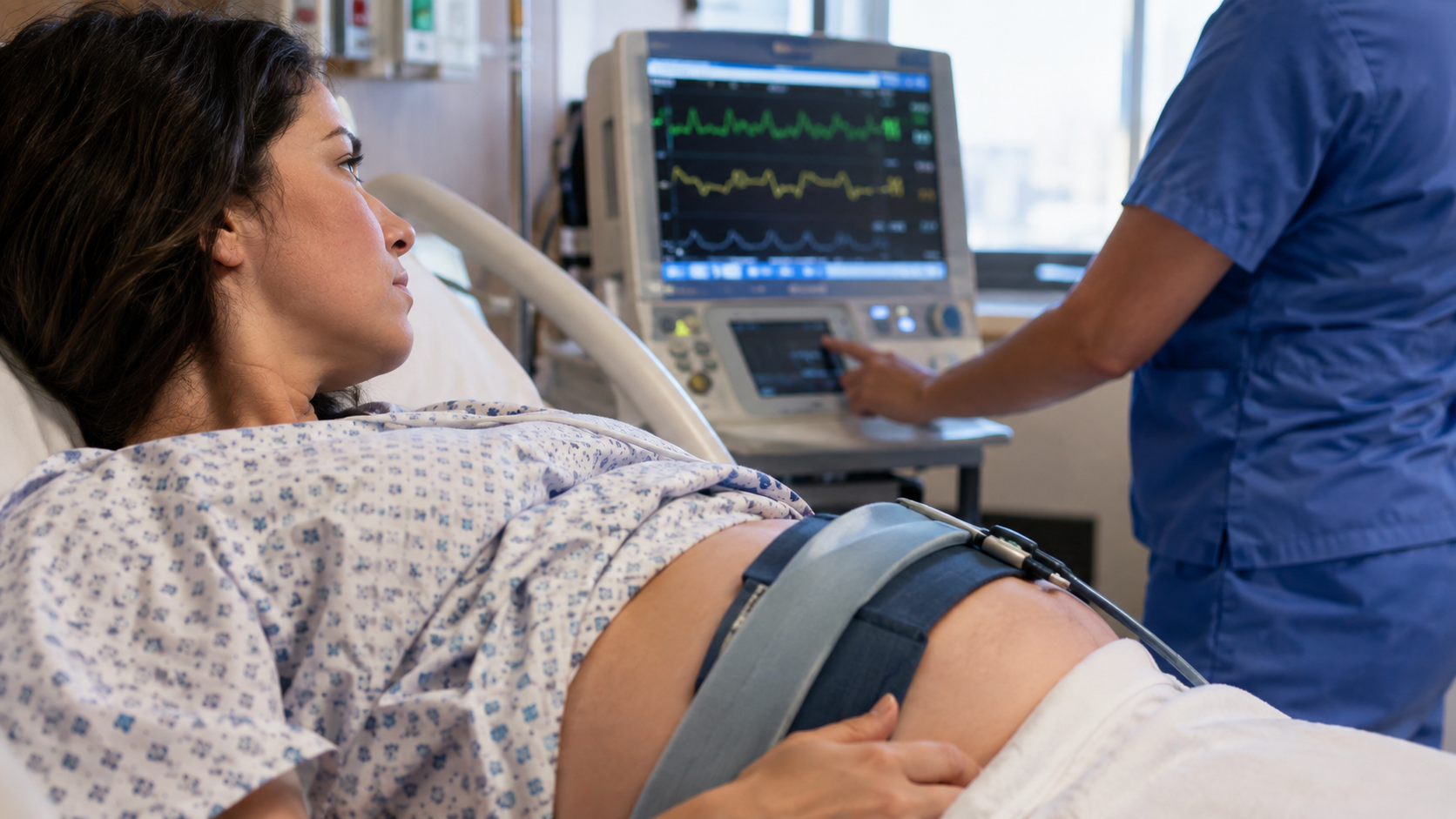
During labor and delivery, healthcare providers must continuously evaluate the health of both mother and baby. When warning signs appear, timely recognition and appropriate action can be critical. In some situations, a concerning fetal heart rate pattern may indicate that a baby is not tolerating labor well and may need additional monitoring, changes in management, or an emergency delivery.
When a provider fails to recognize or appropriately respond to fetal distress, the consequences can be devastating. A prolonged interruption of oxygen-rich blood flow may contribute to serious newborn complications, including neurological injury. Depending on the circumstances, a failure to respond to fetal distress may also raise questions about medical negligence and a potential birth injury claim.
At Zaveri Law Firm, our team helps families investigate whether preventable medical errors contributed to injuries sustained during labor or delivery. We understand that these cases require careful review of medical records, fetal monitoring information, delivery documentation, and the child's subsequent medical condition.
What Does Fetal Distress Mean?
The phrase "fetal distress" is commonly used to describe signs that a fetus may be experiencing difficulty during labor. One of the most important tools for identifying these concerns is fetal heart rate monitoring.
Healthcare providers may monitor the baby's heart rate continuously or intermittently depending on the circumstances. Changes in the fetal heart rate can provide information about how the baby is tolerating contractions and whether additional evaluation or intervention may be necessary.
Potential warning signs can include abnormal heart rate patterns, prolonged decreases in heart rate, recurrent decelerations, or other findings that indicate the baby may not be receiving adequate oxygen.
Importantly, an abnormal fetal heart rate tracing does not automatically mean that a birth injury occurred. Medical professionals must interpret the tracing in context and consider the mother's condition, stage of labor, medications, contractions, and other factors.
How Fetal Monitoring Can Identify Problems
Fetal monitoring can provide a continuous record of changes in a baby's heart rate throughout labor. This information can help our legal team and medical experts understand what occurred before, during, and immediately before delivery.
When a concerning pattern develops, healthcare providers may take steps to improve fetal oxygenation and determine whether the situation is resolving. Depending on the circumstances, appropriate responses can include repositioning the mother, addressing contractions, providing appropriate supportive measures, stopping certain medications, evaluating possible complications, or preparing for an expedited delivery.
When concerning patterns persist or worsen, an emergency C-section may become necessary in some circumstances.
The specific response depends on the medical situation. What matters in a potential medical negligence case is whether the healthcare team recognized the warning signs and responded within an appropriate timeframe under the circumstances.
Warning Signs That May Require Prompt Intervention
Several developments during labor can warrant closer attention. Examples may include:
- Recurrent or prolonged fetal heart rate decelerations
- Persistent fetal bradycardia
- Concerning changes in fetal heart rate variability
- A sustained abnormal fetal heart rate pattern
- Umbilical cord complications
- Placental abruption
- Uterine rupture
- Maternal complications affecting oxygen or blood flow
- Other signs that the baby is not tolerating labor
Some of these circumstances can develop suddenly and without warning. Others may become apparent through fetal monitoring over time.
Our review focuses on the complete sequence of events rather than one isolated monitor reading.
What Should Happen When Fetal Distress Develops?
When fetal monitoring becomes concerning, healthcare providers may need to reassess the mother and baby, identify the potential cause, attempt appropriate corrective measures, and determine whether delivery should be expedited.
The appropriate intervention varies from case to case. In some situations, the fetal heart rate returns to a reassuring pattern after corrective measures. In other situations, persistent abnormalities may require an emergency C-section or another urgent intervention.
The timing of these decisions can matter. A prolonged period of reduced oxygen delivery may increase the risk of serious complications. Modern neonatal guidance recognizes that hypoxic-ischemic encephalopathy can result from perinatal asphyxia and that early treatment may improve outcomes for qualifying newborns.
When Failure to Respond May Become Medical Negligence
Not every birth complication is caused by negligence. Childbirth involves medical risks, and even appropriate care cannot prevent every adverse outcome.
A potential birth injury malpractice claim generally requires more than showing that an injury occurred. Our investigation may need to determine whether the healthcare provider owed a duty of care, whether the standard of care was breached, whether that breach caused or contributed to the injury, and whether the child and family sustained legally compensable damages.
For example, a potential claim may arise when evidence suggests that a provider failed to recognize a significant fetal heart rate abnormality, failed to appropriately respond to persistent concerning findings, delayed an indicated emergency delivery, or otherwise failed to provide appropriate care.
Determining whether negligence occurred requires a detailed medical and legal evaluation.
Oxygen Deprivation and Newborn Brain Injuries
The brain requires an adequate supply of oxygen and blood. When a newborn experiences a significant hypoxic or ischemic event, neurological injury can occur.
One possible condition is hypoxic-ischemic encephalopathy, commonly called HIE. HIE involves neurological dysfunction associated with hypoxic-ischemic injury. However, neonatal encephalopathy can have multiple causes, and medical evidence must be evaluated carefully before attributing an injury to an intrapartum oxygen-deprivation event.
Potential consequences of serious newborn brain injury may include seizures, developmental difficulties, movement disorders, cognitive impairments, feeding difficulties, or other neurological problems.
Some children may require extensive therapy and medical care throughout childhood and into adulthood.
Can Fetal Distress Be Connected to Cerebral Palsy?
Cerebral palsy can have many different causes and contributing factors. Although hypoxic-ischemic injury can be associated with cerebral palsy, medical research does not support assuming that every case of cerebral palsy resulted from oxygen deprivation during labor.
Cerebral palsy can arise from multiple pathways, including conditions occurring before, during, or after birth. A comprehensive evaluation may consider fetal monitoring, neonatal condition, umbilical cord blood gases, neuroimaging, placental findings, and other evidence.
For that reason, our team does not rely on a diagnosis alone. We work to understand the complete medical history and determine whether the available evidence supports a connection between the medical care provided and the child's injury.
Why Fetal Monitoring Strips and Medical Records Matter
Fetal monitoring strips can be particularly important in a birth injury investigation because they may show how the baby's condition changed throughout labor.
Our team may seek records such as:
- Complete fetal heart rate monitoring strips
- Maternal medical records
- Prenatal records
- Labor and delivery records
- Nursing notes
- Physician documentation
- Medication administration records
- C-section or operative reports
- Anesthesia records
- Neonatal records
- Apgar scores
- Umbilical cord blood gas results
- NICU records
- Brain imaging and neurological evaluations
- Placental pathology
- Therapy and rehabilitation records
Medical experts may then evaluate whether the documented fetal condition, provider response, timing of interventions, and newborn outcome are medically consistent with preventable harm.
Evidence Families Should Preserve
Families should preserve documents and information related to the pregnancy, delivery, and child's treatment whenever possible.
Keep copies of medical records, discharge paperwork, diagnostic reports, therapy records, bills, prescription information, and correspondence concerning the child's condition. Families may also wish to maintain a timeline describing significant events during pregnancy, labor, delivery, hospitalization, and subsequent treatment.
Do not alter or discard potentially relevant documents.
If you believe a birth injury may have resulted from negligent medical care, contacting our team early can help preserve important evidence and determine what additional records should be requested.
Long-Term Care After a Birth Injury
The financial consequences of a serious birth injury can extend far beyond the initial hospitalization.
A child with a significant neurological or physical injury may require ongoing physician appointments, medications, physical therapy, occupational therapy, speech therapy, assistive equipment, specialized education, home modifications, or personal assistance.
Some families may also need to plan for future medical care and support that extends well into adulthood.
Our approach considers both the child's current needs and the potential long-term consequences of the injury. Depending on the circumstances of a case, damages may potentially include medical expenses, rehabilitation costs, future care needs, lost earning capacity, pain and suffering, and other legally recoverable losses.
What Our Birth Injury Legal Team Can Do
At Zaveri Law Firm, our services are focused on investigating what happened and helping families understand their legal options.
Our team can review available medical documentation, investigate the circumstances surrounding the delivery, work with appropriate medical professionals, evaluate potential negligence and causation issues, and pursue compensation when the evidence supports a claim.
Our Baltimore birth injury practice specifically addresses circumstances involving fetal health monitoring, failure to deliver promptly, C-section complications, umbilical cord complications, and other potential causes of birth injuries.
We understand that parents should be able to focus on their child's medical care rather than navigating complicated communications with insurance companies.
Do not talk to insurance companies without legal representation.
Speak to Zaveri Law Firm first. Our team can handle communications with insurance companies on your behalf while we evaluate your situation and protect your legal interests.
Frequently Asked Questions
What is a fetal distress birth injury?
A fetal distress birth injury may occur when concerning signs during labor are not appropriately recognized or addressed and the baby subsequently suffers an injury. Whether negligence occurred depends on the specific medical facts and evidence.
Does fetal distress always cause a birth injury?
No. An abnormal fetal heart rate pattern does not automatically mean that a baby suffered permanent harm. The outcome depends on the nature, duration, severity, and cause of the abnormality, as well as the medical response.
Can failure to monitor fetal distress lead to a malpractice claim?
Potentially. If evidence shows that healthcare providers failed to appropriately monitor the baby or respond to significant warning signs and that this failure caused or contributed to an injury, a medical malpractice claim may be possible.
Can oxygen deprivation cause cerebral palsy?
Oxygen deprivation can contribute to certain types of neonatal brain injury, and hypoxic-ischemic injury can be associated with cerebral palsy. However, cerebral palsy has multiple potential causes, so medical evidence is necessary to determine whether an intrapartum hypoxic event contributed to a particular child's condition.
What records should I request after a suspected birth injury?
Important records may include fetal monitoring strips, labor and delivery records, nursing notes, physician notes, operative reports, neonatal records, Apgar scores, cord blood gases, imaging studies, NICU records, and placental pathology.
How can Zaveri Law Firm help with a birth injury case?
Our team investigates the circumstances surrounding the injury, reviews medical records, consults appropriate medical professionals, evaluates potential negligence and causation, and pursues compensation when supported by the evidence.
Conclusion
A failure to respond to fetal distress can have devastating consequences when concerning signs are not recognized or appropriate intervention is delayed. Fetal monitoring, timely assessment, and appropriate medical decision-making can be important components of safe labor and delivery.
When a newborn suffers a serious brain injury or another birth injury, families deserve answers about what happened. Reviewing fetal monitoring strips, medical records, delivery documentation, neonatal evidence, and long-term medical needs can help establish a clearer picture of the circumstances.
At Zaveri Law Firm, our team understands how overwhelming a preventable birth injury can be. We work to investigate potential medical negligence and help families understand their legal options.
If your child experienced a serious injury following fetal distress, delayed intervention, oxygen deprivation, or another complication during labor or delivery, contact us for a consultation.
Do not talk to insurance companies without legal representation. Call Zaveri Law Firm and allow our team to handle communications with insurance companies while we review your potential claim.
Phone: (240) 292-8374
Address: 516 N Charles St #400, Baltimore, Maryland, MD 21201
Website: zaverilawfirm.com
Our Baltimore birth injury team is available to discuss the circumstances surrounding your child's injury and help you understand the next steps.