When a Serious Injury Requires Lifelong Care and Financial Support
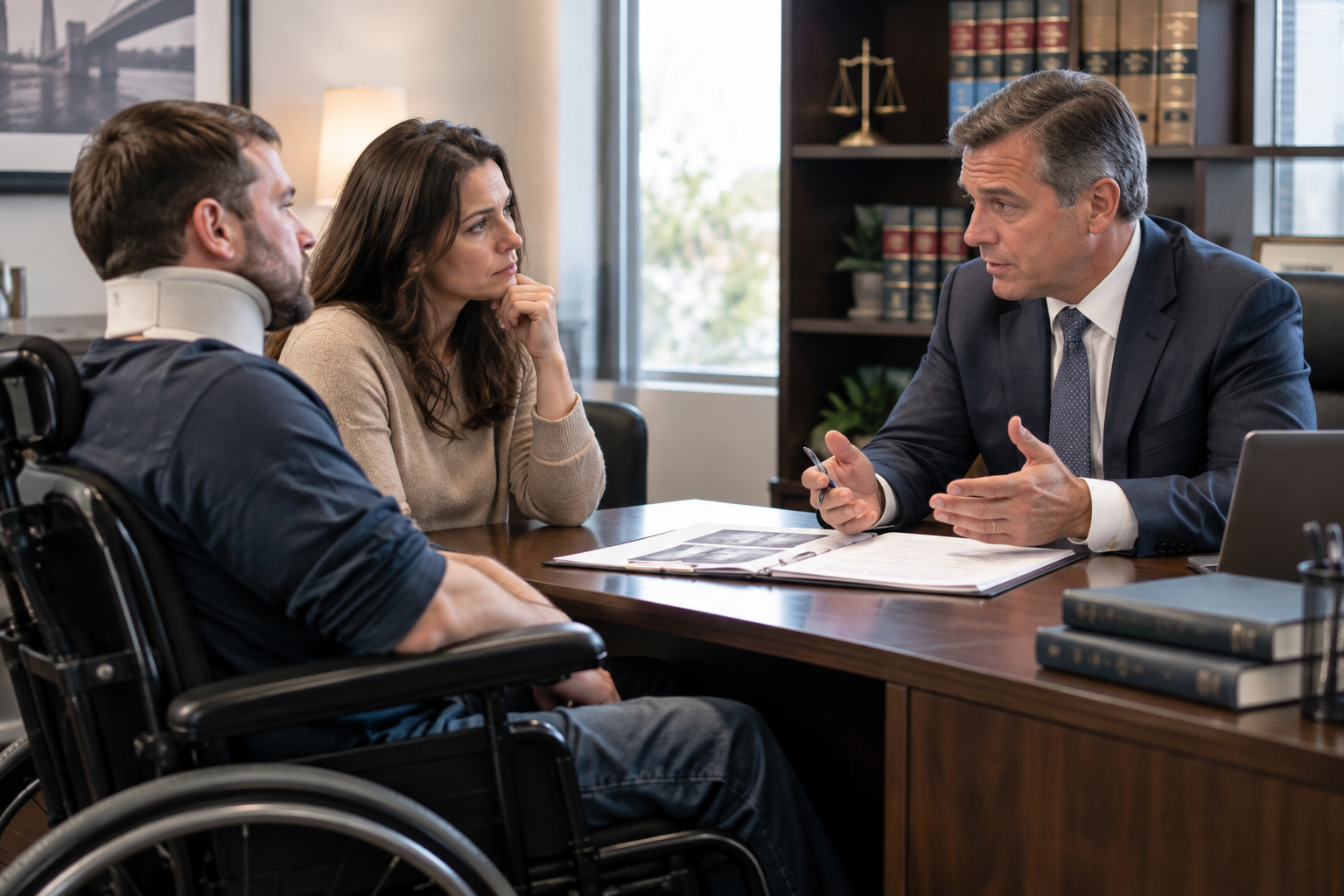
Attorney discussing long-term care and financial support with a catastrophic injury victim at Zaveri Law Firm

A catastrophic injury can change a person's life in a matter of seconds. What begins as a car crash, truck accident, motorcycle collision, dangerous property condition, medical error, or another preventable event can lead to permanent disability, extensive medical treatment, and a future filled with expenses that were never anticipated.

At Zaveri Law Firm, we understand that a catastrophic injury claim is about much more than immediate medical bills. Our focus is on understanding how a serious injury has affected your life today and how it may continue affecting you years into the future. Our Baltimore catastrophic injury services are designed to help injured individuals and families pursue compensation for the extensive losses associated with life-changing injuries.

Catastrophic injuries can require rehabilitation, assistive equipment, modifications to a home, ongoing medical appointments, personal assistance, and long-term care. At the same time, an injured person may be unable to return to the same job or earn the income they once depended upon.

Our approach is built around investigating the circumstances, documenting the injury and its consequences, identifying responsible parties, and pursuing the compensation available for both present and future losses.


What Is a Catastrophic Injury?

A catastrophic injury is a serious injury that substantially changes a person's ability to live, work, communicate, move, or care for themselves.

Examples can include:

The effects may extend well beyond the initial hospitalization. A person who previously worked full-time, drove independently, cared for children, or maintained a household may suddenly require assistance with basic daily activities.

Our catastrophic injury services recognize that the legal claim must account for this broader impact. Zaveri Law Firm's catastrophic injury practice addresses severe injuries involving significant medical expenses, lost wages, disability, and long-term consequences.


When an Injury Requires Lifelong Care

Some injuries require treatment for months or years. Others require assistance for the remainder of a person's life.

Long-term care can involve:

The financial impact can become overwhelming.

A settlement or recovery that only considers today's hospital bills may fail to account for what happens five, ten, twenty, or more years later. Future medical and care requirements can represent a substantial portion of the losses associated with a catastrophic injury.

Our team works to understand the continuing consequences of an injury rather than treating the case as a short-term medical expense claim.


The Financial Impact Can Extend for Decades

A catastrophic injury can affect nearly every part of a family's financial life.


Medical Expenses

Emergency treatment and hospitalization may be only the beginning. Serious injuries can require surgeries, rehabilitation, medication, specialist appointments, medical devices, and continuing treatment.

Even when health insurance covers part of the expenses, families can still face substantial out-of-pocket costs.


Lost Income

A catastrophic injury may prevent someone from returning to work temporarily or permanently.

The financial consequences can include:

For younger victims, the potential loss of decades of future earnings can be especially significant.


Home and Vehicle Modifications

A person who uses a wheelchair or has significant mobility limitations may require modifications to a home or vehicle.

These changes can include ramps, accessible bathrooms, wider doorways, specialized vehicles, or other adaptations.

Such expenses should be considered when evaluating the long-term financial consequences of a catastrophic injury.


The Emotional and Personal Consequences

Financial losses are only one part of the picture.

Catastrophic injuries can affect independence, relationships, hobbies, employment, education, and quality of life. A person may struggle with frustration, anxiety, depression, isolation, or the emotional consequences of losing abilities that were once taken for granted.

Families can also experience significant changes. Spouses, parents, children, or other relatives may become caregivers or take on additional responsibilities.

At Zaveri Law Firm, we recognize that the consequences of a catastrophic injury extend beyond paperwork and financial calculations. Our goal is to build a complete understanding of the harm caused by the injury and present that information as part of the legal claim.


Determining Who May Be Responsible

Catastrophic injury cases can involve complicated questions about responsibility.

Depending on how the injury occurred, potentially responsible parties may include:

In some cases, more than one party may have contributed to the circumstances that caused an injury.

Our team investigates the facts surrounding the incident, gathers available evidence, reviews relevant records, and works to identify the parties whose conduct may have contributed to the injury.

Zaveri Law Firm describes investigation and evidence gathering as important components of its catastrophic injury representation, including reviewing medical records and obtaining witness information.


Building a Catastrophic Injury Claim

A serious injury claim requires more than simply demonstrating that someone was injured.

Our team works to establish the connection between the incident, the responsible party, the injury, and the resulting losses.

Evidence may include:

Medical evidence can be particularly important because catastrophic injuries often involve long-term consequences that may not be fully understood during the earliest stages of treatment.

Our firm works with appropriate professionals and reviews the available evidence to understand both the immediate injury and its expected future impact. Zaveri Law Firm's catastrophic injury services specifically describe working with medical professionals and evaluating current and future expenses.


Why Future Care Costs Matter

One of the most important considerations in a catastrophic injury case is understanding what the injured person may need in the future.

For example, someone with a spinal cord injury may require continuing medical care, rehabilitation, mobility equipment, home modifications, and assistance with daily activities.

Someone with a traumatic brain injury may require cognitive rehabilitation, therapy, supervision, medication, and continuing support.

These needs can continue long after the initial lawsuit begins.

Our team therefore looks beyond the first medical bills. The objective is to understand the full scope of the injury and the financial resources that may be necessary to address its continuing consequences.


Do Not Talk to Insurance Companies Without Legal Representation

After a serious accident, insurance companies may contact an injured person or family member quickly.

It is important to understand that anything said to an insurance representative may become part of the claim process.

Do not talk to insurance companies without legal representation.

Instead, contact Zaveri Law Firm. Our team can communicate with insurance companies on your behalf and handle the legal communications associated with your injury claim.

You do not need to navigate insurance communications alone while dealing with a catastrophic injury.

Our priority is protecting your interests while we investigate the circumstances of your case and pursue the compensation available for your losses.


How Zaveri Law Firm Can Help

At Zaveri Law Firm, our services are focused on providing representation for people whose injuries have significantly changed their lives.

Our work may include:

Our firm's broader personal injury practice includes catastrophic injuries alongside car accidents, truck accidents, motorcycle accidents, medical malpractice, premises liability, product liability, and other serious injury matters.


FAQs About Catastrophic Injury Claims

What qualifies as a catastrophic injury?

A catastrophic injury generally involves severe, lasting consequences such as permanent disability, paralysis, significant brain injury, amputation, or another condition requiring substantial long-term medical care or assistance.

Can compensation cover future medical expenses?

Potentially. A catastrophic injury claim may involve future medical treatment, rehabilitation, assistive equipment, home modifications, caregiving, and other continuing expenses. Our team evaluates the circumstances and evidence surrounding the injury to determine what losses may be pursued.

What if the injured person cannot return to work?

Lost wages and reduced future earning capacity can be important components of a serious injury claim. Our team examines how the injury has affected employment and earning ability and considers the long-term financial consequences.

Should I speak with an insurance company after a catastrophic injury?

Do not talk to insurance companies without legal representation. Contact Zaveri Law Firm so our attorneys can handle communications with insurance companies on your behalf.

Does every catastrophic injury case go to trial?

Not necessarily. The legal process can involve investigation, negotiations, settlement discussions, and litigation when appropriate. Our team prepares each case based on its specific facts and circumstances.

How soon should I contact a catastrophic injury lawyer?

As soon as reasonably possible. Early legal involvement can allow evidence to be identified and preserved while important details are still available. Contacting our team promptly also allows us to begin evaluating the circumstances of the injury and the potential claim.


Conclusion

A catastrophic injury can create challenges that last far beyond the initial accident. Medical treatment, rehabilitation, lost income, disability, caregiving, home modifications, and continuing medical needs can place enormous financial and emotional pressure on an injured person and their family.

The full consequences of a catastrophic injury cannot always be understood from the first hospital bill or the first few weeks of recovery. Future needs matter. Lost earning capacity matters. Long-term care matters. The effect on independence and quality of life matters.

At Zaveri Law Firm, our catastrophic injury services focus on understanding the complete impact of a serious injury and pursuing compensation for the losses that result. Our team investigates claims, gathers evidence, evaluates damages, handles insurance communications, and provides legal representation throughout the process.

If you or a loved one has suffered a catastrophic injury, do not talk to insurance companies without legal representation. Contact us and allow our team to handle the legal communications and begin reviewing your case.

Zaveri Law Firm
Phone: (240) 292-8374
Address: 516 N Charles St #400, Baltimore, Maryland, MD 21201
Website: zaverilawfirm.com

Call Zaveri Law Firm today to schedule a free consultation. Our team is ready to review your catastrophic injury case, explain your legal options, communicate with insurance companies on your behalf, and pursue the financial support you may need for the future.

Hospital Negligence in Emergency Rooms: When Delays Become Dangerous

When people visit an emergency room, they expect immediate medical attention for serious injuries, illnesses, and life-threatening conditions. Emergency departments exist to provide rapid evaluation and treatment when every minute matters. Unfortunately, emergency room negligence can occur when hospitals fail to provide timely care, leading to devastating consequences for patients and their families.

A delay in emergency medical treatment can mean the difference between recovery and permanent disability. In some cases, delays may even result in wrongful death. Whether caused by overcrowding, staffing shortages, communication failures, misdiagnosis, or administrative mistakes, hospital negligence in emergency rooms can have life-altering consequences.

At the Zaveri Law Firm, we understand the profound impact medical negligence can have on victims and their loved ones. Our firm is dedicated to helping individuals who have suffered harm due to preventable medical errors and hospital negligence. We fight to hold negligent healthcare providers accountable and pursue compensation for the losses victims experience.


Understanding Emergency Room Negligence

Emergency room negligence occurs when a hospital, physician, nurse, or healthcare provider fails to provide an acceptable standard of care in an emergency setting.

Not every unfavorable medical outcome is negligence. However, when healthcare providers fail to act reasonably under the circumstances and that failure causes harm, legal liability may exist.

Emergency departments face unique challenges, including:

Despite these challenges, hospitals are expected to maintain systems and procedures that protect patient safety. When those systems fail, patients can suffer severe and preventable injuries. Learn more about how we fight for victims of these systemic failures on our dedicated practice areas page.


Why Timely Emergency Treatment Matters

Emergency medicine revolves around rapid intervention.

Many medical emergencies become significantly more dangerous with every passing minute.

Examples include:

Stroke

A stroke occurs when blood flow to the brain is interrupted.

Brain cells begin dying within minutes.

Prompt diagnosis and treatment may:

Delays in recognizing stroke symptoms can lead to irreversible neurological injuries.


Heart Attack

A heart attack requires immediate medical intervention to restore blood flow to the heart muscle.

Delays may result in:

Emergency room staff must quickly evaluate symptoms such as chest pain, shortness of breath, dizziness, and arm pain. According to the American Heart Association, immediate treatment is paramount because time lost is brain and muscle lost when blood flow is blocked.


Sepsis

Sepsis is a life-threatening response to infection.

Without prompt treatment, sepsis can rapidly progress to:

Every hour of delay may significantly increase the risk of serious complications.


Traumatic Injuries

Victims of car accidents, falls, workplace accidents, and other traumatic incidents often require immediate evaluation.

Delays in diagnosing internal bleeding, head injuries, or spinal injuries can result in catastrophic outcomes.


Common Causes of Emergency Room Delays

Emergency room negligence can arise from various factors.

Some delays occur because healthcare providers fail to recognize the severity of a patient's condition. Others stem from systemic hospital failures.


Overcrowded Emergency Departments

Many hospitals struggle with overcrowding.

When emergency rooms exceed capacity:

While high patient volume presents challenges, hospitals still have a responsibility to implement systems that prioritize critically ill patients.


Inadequate Triage Procedures

Triage is the process of assessing patients and determining treatment priority.

Patients with life-threatening conditions should receive immediate attention.

Negligence may occur when:

An inaccurate triage assessment can create dangerous delays.


Staffing Shortages

Hospitals must maintain adequate staffing levels to provide safe patient care.

Understaffed emergency departments may experience:

When hospitals fail to provide sufficient staffing, patient safety can be compromised.


Communication Failures

Emergency care often involves multiple healthcare professionals.

Doctors, nurses, specialists, technicians, and administrative staff must communicate effectively.

Breakdowns in communication may result in:

Even a simple communication error can have serious consequences in an emergency setting.


Administrative Mistakes

Clerical and administrative errors may seem minor, but they can significantly impact patient care.

Examples include:

Administrative failures can delay critical treatment when time is of the essence. We frequently discuss the legal ramifications of these healthcare oversights on our blog.


Examples of Dangerous Emergency Room Negligence

Emergency room negligence can take many forms.

Failure to Diagnose a Stroke

A patient arrives with slurred speech, facial drooping, and weakness.

Staff mistakenly attribute symptoms to fatigue or intoxication.

Hours pass before proper testing is performed.

As a result, the patient suffers permanent brain damage that may have been prevented with timely treatment.


Delayed Heart Attack Diagnosis

A patient reports chest pain and shortness of breath.

Instead of receiving immediate cardiac testing, the patient waits for several hours.

During the delay, heart muscle damage progresses, resulting in long-term complications.


Missed Internal Bleeding

Following a serious vehicle collision, a patient complains of abdominal pain and dizziness.

The patient is discharged without appropriate imaging studies.

Hours later, internal bleeding becomes life-threatening.


Failure to Recognize Sepsis

A patient presents with signs of infection, fever, and low blood pressure.

Medical staff fail to identify the condition as sepsis.

Delayed treatment allows the infection to spread, leading to organ failure.


Delayed Surgical Consultation

A patient requires emergency surgery.

However, communication failures delay consultation with a surgeon.

The patient's condition worsens while waiting for necessary treatment.


Catastrophic Injuries Caused by Emergency Room Negligence

The consequences of emergency room negligence can be severe and long-lasting.

In many cases, delayed treatment causes catastrophic injuries that permanently alter a victim's life.

Examples include:

Traumatic Brain Injuries

When emergency providers fail to diagnose or treat head trauma promptly, patients may suffer permanent cognitive impairment.

Traumatic brain injuries may cause:


Spinal Cord Injuries

Delays in evaluating spinal trauma can worsen neurological damage.

Victims may experience:


Organ Failure

Delayed treatment of infections, blood loss, or other emergencies may lead to irreversible organ damage.

Patients may require:


Amputations

Failure to restore blood flow or treat severe infections can lead to tissue death.

In some cases, amputation becomes necessary to save a patient's life.


Wrongful Death

Perhaps the most tragic consequence of emergency room negligence is the loss of life.

Families may be left coping with emotional trauma, financial hardship, and unanswered questions about what went wrong.


How Hospitals Can Prevent Emergency Room Negligence

Hospitals have a responsibility to create safe systems that reduce the risk of patient harm.

Effective measures may include:

Improved Staffing

Adequate staffing levels help ensure patients receive prompt evaluation and treatment.

Hospitals should regularly assess patient volume and staffing needs.


Enhanced Training

Ongoing education helps healthcare providers recognize medical emergencies quickly.

Training programs may focus on:


Better Communication Systems

Clear communication protocols can reduce errors and improve coordination among healthcare providers.

Hospitals should encourage accurate documentation and timely information sharing.


Quality Improvement Programs

Regular review of emergency department performance can help identify problems before they result in patient harm.

Hospitals should analyze:


Technology and Monitoring

Electronic health records and monitoring systems can improve efficiency and reduce the likelihood of overlooked information.

Proper use of technology can help emergency departments identify high-risk patients more quickly.


The Financial Impact of Emergency Room Negligence

Victims of medical negligence often face significant financial burdens.

These losses may include:

For catastrophic injury victims, financial losses can continue for years or even decades.

The economic impact often extends beyond the injured individual and affects entire families.


Proving Hospital Negligence in an Emergency Room Case

Not every emergency room delay automatically constitutes negligence. Healthcare providers are not expected to guarantee perfect outcomes. However, they are expected to provide care that meets accepted medical standards.

To establish a medical malpractice claim involving emergency room negligence, several factors generally must be demonstrated.


Duty of Care

The healthcare provider or hospital must have owed a duty of care to the patient.

Once a patient seeks treatment and is accepted for care, medical professionals generally have a responsibility to provide appropriate treatment.


Breach of the Standard of Care

The provider must have failed to act in a manner consistent with accepted medical standards.

Examples may include:


Causation

It must be shown that the delay or negligent action directly contributed to the patient's injury.

For example, if a stroke patient suffers permanent disability because treatment was delayed for several hours, causation may exist.


Damages

The patient must have suffered measurable harm, such as:


Evidence Commonly Used in Emergency Room Negligence Cases

Medical malpractice claims often require extensive investigation.

Important evidence may include:

Medical Records

Hospital records can reveal:

Medical records often provide a detailed timeline of events.


Imaging Studies and Laboratory Results

CT scans, MRIs, X-rays, blood tests, and other diagnostic results may help demonstrate whether delays occurred and how those delays impacted the patient's condition.


Witness Statements

Witnesses may include:

Witness testimony can help establish what occurred during treatment.


Expert Medical Opinions

Medical experts frequently review records and determine whether providers met accepted standards of care.

Expert testimony often plays a significant role in medical malpractice litigation.


Hospital Policies and Procedures

Hospitals typically maintain protocols for handling emergency situations.

Failure to follow established procedures may help demonstrate negligence.


Long-Term Consequences for Victims and Families

The effects of emergency room negligence often extend far beyond the initial injury.

Many victims face lifelong challenges.

Physical Limitations

Catastrophic injuries may affect a person's ability to:

Some individuals require lifelong medical assistance.


Emotional Trauma

Victims frequently experience:

The emotional impact can be just as significant as the physical injury.


Family Burdens

Family members often become caregivers.

Responsibilities may include:

Caregiving demands can place enormous strain on relationships and household finances.


Career and Financial Challenges

Catastrophic injuries may prevent victims from returning to their previous occupations.

Some individuals lose years of earning potential due to disabilities caused by delayed treatment.


What To Do If You Suspect Emergency Room Negligence

If you believe a delay in emergency treatment caused serious harm, taking prompt action may help protect your rights.

Seek Ongoing Medical Care

Your health should remain the top priority.

Continue following medical recommendations and attend all follow-up appointments.

Proper treatment can help maximize recovery and document the extent of your injuries.


Preserve Records

Keep copies of:

These documents may become important evidence.


Document Your Experience

Write down everything you remember about the emergency room visit.

Include details such as:

Memories often fade over time, making early documentation valuable.


Speak With an Experienced Medical Malpractice Attorney

Medical negligence cases can be highly complex.

An attorney can evaluate the circumstances, investigate the facts, and determine whether legal action may be appropriate.

Do not talk to insurance companies without legal representation.

Insurance companies often begin investigating claims shortly after an injury occurs.

If hospital representatives or insurance companies contact you, avoid providing recorded statements or discussing the details of your case without legal representation.

Instead, contact the Zaveri Law Firm immediately.

The legal team can handle communications on your behalf and help protect your interests throughout the claims process.


Why Legal Representation Matters

Hospitals and their insurance providers often have substantial resources available to defend against malpractice claims.

Victims may face challenges such as:

Having experienced legal representation can make a significant difference.

A thorough investigation may uncover evidence showing that a preventable delay caused serious harm.

An attorney can work to pursue compensation for:


Frequently Asked Questions

What is considered emergency room negligence?

Emergency room negligence occurs when a healthcare provider or hospital fails to provide appropriate care and that failure causes injury to a patient. Examples may include delayed diagnosis, treatment delays, medication errors, or failure to recognize serious medical conditions.

Can a long emergency room wait time be malpractice?

Not every wait time constitutes malpractice. However, if a patient experiences a dangerous delay due to negligent triage, misdiagnosis, communication failures, or other preventable errors that result in harm, a claim may exist.

What types of injuries can result from delayed emergency treatment?

Delayed treatment may contribute to:

How do I know if the hospital was negligent?

A medical malpractice attorney can review medical records, consult experts, and investigate whether healthcare providers met accepted standards of care.

How long do I have to pursue a claim?

Every case is unique. It is important to speak with an attorney as soon as possible after discovering a potential injury caused by emergency room negligence.

Can family members file a claim if a loved one dies due to hospital negligence?

In certain circumstances, surviving family members may be able to pursue legal action when negligence contributes to a loved one's death.

An attorney can evaluate the situation and explain available options.

What damages may be available in an emergency room negligence case?

Potential damages may include:

Should I speak with the hospital's insurance company?

No. If an insurance company contacts you, it is generally best to seek legal representation first.

Do not talk to insurance companies without legal representation.

Contact the Zaveri Law Firm so the legal team can handle communications on your behalf.


Conclusion

Emergency rooms play a vital role in protecting public health and responding to life-threatening situations. Patients trust hospitals and healthcare providers to deliver timely treatment when every second counts.

Unfortunately, emergency room negligence can occur when hospitals fail to recognize serious conditions, delay treatment, miscommunicate critical information, or otherwise fall below accepted standards of care. These failures may lead to catastrophic injuries, permanent disabilities, and tragic loss of life.

When delays become dangerous, victims and families deserve answers. Holding negligent healthcare providers accountable not only helps injured individuals pursue compensation but also promotes safer healthcare practices that protect future patients.

If you or a loved one suffered harm because of delayed emergency treatment, it is important to seek experienced legal guidance as soon as possible.

If you believe hospital negligence or emergency room delays caused serious injury or the loss of a loved one, the Zaveri Law Firm is prepared to help.

Our team is committed to advocating for injury victims and pursuing justice on their behalf. We understand the devastating impact medical negligence can have on individuals and families, and we work tirelessly to hold negligent parties accountable.

Do not communicate with insurance companies on your own. Contact the Zaveri Law Firm first and allow our legal team to protect your interests.

Zaveri Law Firm

📍 Address: 516 N Charles St #400, Baltimore, Maryland, MD 21201
📞 Phone: (240) 292-8374
✉️ Email: kzaveri@zaverilawfirm.com
🌐 Website: zaverilawfirm.com

Schedule a consultation today to discuss your situation and learn how we may be able to assist you.

Life After a Catastrophic Injury: Financial and Emotional Challenges Victims Face

A catastrophic injury can change a person's life in a matter of seconds. One moment, an individual is working, caring for family, enjoying hobbies, and planning for the future. Next, they may be facing months or years of medical treatment, permanent disabilities, financial uncertainty, and emotional hardships.

Unlike minor injuries that heal within weeks or months, catastrophic injuries often create lifelong consequences. Victims may lose their ability to work, require ongoing medical care, and experience significant changes in their relationships and quality of life. Families frequently face challenges as they adapt to new caregiving responsibilities while managing mounting expenses.

At Zaveri Law Firm, we understand that catastrophic injuries affect every aspect of a person's life. Our legal team is committed to helping injured individuals and their families pursue compensation that reflects both their immediate losses and their future needs. Whether the injury resulted from a motor vehicle collision, medical negligence, premises liability incident, truck accident, or another act of negligence, obtaining experienced legal representation can make a significant difference in the recovery process. Zaveri Law Firm represents victims of catastrophic injuries and other serious personal injury matters throughout Maryland.

Understanding Catastrophic Injuries

A catastrophic injury is generally considered an injury that causes permanent or long-term impairment and significantly affects a person's ability to live independently, maintain employment, or perform daily activities.

According to the National Institutes of Health (NIH), managing the long-term neurobiological and functional impacts of severe trauma requires multi-system clinical coordination, highlighting just how complex the rehabilitation path is for these life-altering conditions. These injuries often require extensive medical treatment, rehabilitation, assistive devices, and ongoing support.

Common catastrophic injuries include:

The effects of these injuries often extend well beyond physical pain. Victims frequently experience dramatic changes in their independence, careers, finances, and relationships.

The Immediate Impact of a Catastrophic Injury

Following a catastrophic injury, life can become overwhelming.

Victims often experience:

Many individuals spend weeks or months in hospitals and rehabilitation facilities before returning home.

Even after discharge, recovery may continue for years.

For some victims, complete recovery may never be possible.

The Financial Burden of Catastrophic Injuries

One of the greatest challenges facing catastrophic injury victims is the financial impact.

The costs associated with these injuries can be staggering and may continue throughout the victim's lifetime.

Medical Expenses

Medical costs often begin immediately after the injury occurs.

Expenses may include:

Severe injuries can result in hundreds of thousands or even millions of dollars in medical expenses over a lifetime.

Long-Term Care Costs

Many catastrophic injury victims require ongoing care long after the initial hospitalization.

Examples include:

These expenses can continue indefinitely and place enormous strain on families.

Home Modifications

A catastrophic injury often makes a person's home inaccessible.

Modifications may include:

These renovations can cost thousands or even tens of thousands of dollars.

Vehicle Modifications

Many victims require modified transportation.

Examples include:

The cost of these modifications can be substantial.

Lost Income

Many catastrophic injury victims cannot return to work for months, years, or permanently.

Losses may include:

The financial consequences can be devastating for families that depend on the injured person's income.

Loss of Future Earning Capacity

Some injuries permanently prevent a victim from returning to their previous occupation.

For example:

The loss of future earning capacity can represent one of the largest components of a catastrophic injury claim.

Emotional Challenges Following a Catastrophic Injury

Financial hardships are only one part of the struggle.

The emotional impact can be equally difficult.

Grief and Loss

Many catastrophic injury victims experience grief.

They may grieve:

The emotional process often resembles the stages of grief experienced after a major life loss.

Depression

Depression is common among catastrophic injury survivors.

Symptoms may include:

The combination of physical limitations and lifestyle changes can significantly affect emotional well-being.

Anxiety

Anxiety frequently develops after traumatic injuries.

Victims may worry about:

Many individuals experience chronic stress while adjusting to their new reality.

Post-Traumatic Stress

Serious accidents and medical events can be traumatic experiences.

Victims may develop symptoms such as:

Professional counseling often becomes an important component of recovery.

The Impact on Family Members

Catastrophic injuries affect entire families.

Spouses, children, parents, and siblings frequently experience emotional and financial strain.

Caregiver Responsibilities

Family members often become caregivers.

Responsibilities may include:

Caregiving can become a full-time responsibility.

Emotional Stress

Watching a loved one struggle can be emotionally exhausting.

Family members may experience:

Support systems are often essential for maintaining family well-being.

Financial Pressure

When an injured person loses income, family finances may become unstable.

Families may face:

The financial consequences can affect the entire household for years.

Catastrophic Injuries and Employment Challenges

Returning to work after a catastrophic injury can be extremely difficult.

Some victims are unable to work at all.

Others may require:

Even when employment remains possible, earnings may be significantly reduced.

This loss of financial stability often contributes to emotional stress and uncertainty.

The Importance of Ongoing Rehabilitation

Recovery from a catastrophic injury rarely ends after hospitalization.

Many victims participate in long-term rehabilitation programs designed to improve function and independence.

These services may include:

Physical Therapy

Physical therapists help patients improve:

Physical therapy is often a cornerstone of recovery after a catastrophic injury. Treatment plans are designed to help patients regain as much physical function as possible while reducing pain and preventing further complications. Through targeted exercises, stretching techniques, and mobility training, physical therapists work to improve strength, balance, coordination, and range of motion. For individuals recovering from spinal cord injuries, traumatic brain injuries, severe fractures, or amputations, physical therapy can play a significant role in restoring independence and enhancing overall quality of life.

Occupational Therapy

Occupational therapists focus on:

Occupational therapy helps catastrophic injury survivors adapt to the challenges of everyday life. The goal is to improve a person's ability to perform essential tasks such as dressing, bathing, cooking, and managing household responsibilities. Occupational therapists may recommend adaptive equipment and teach alternative techniques that make daily activities more manageable. For individuals facing permanent disabilities or mobility limitations, occupational therapy can help restore confidence, promote independence, and support a smoother transition back into home, work, and community environments.

Speech Therapy

Speech therapy may assist individuals with:

Catastrophic injuries involving the brain, head, neck, or nervous system can affect a person's ability to communicate and process information. Speech therapy addresses challenges related to speaking, understanding language, memory, attention, and problem-solving skills. In some cases, therapists also help patients manage swallowing difficulties that may develop after serious injuries. By improving communication and cognitive function, speech therapy can enhance social interactions, strengthen personal relationships, and support a patient's ability to participate more fully in daily life.

Psychological Counseling

Mental health support helps victims address:

The emotional impact of a catastrophic injury can be just as significant as the physical challenges. Psychological counseling provides a safe and supportive environment where individuals can process the changes affecting their lives. Mental health professionals help patients cope with depression, anxiety, post-traumatic stress, and feelings of uncertainty about the future. Counseling may also assist family members who are adjusting to new caregiving responsibilities. By addressing emotional well-being, psychological support can contribute to a healthier recovery and improved overall quality of life.

Building a Strong Catastrophic Injury Claim

Because catastrophic injuries create lifelong consequences, legal claims must account for both current and future damages.

A thorough claim may consider:

Determining the full value of these damages often requires detailed analysis and expert evaluation.

Why Early Legal Representation Matters

After a catastrophic injury, victims may be contacted by insurance adjusters seeking statements or quick settlements.

However, the long-term consequences of these injuries are often impossible to fully understand immediately after the accident.

A settlement accepted too early may fail to cover future medical expenses and financial losses.

For this reason, it is important to seek legal guidance as soon as possible.

Most importantly:

Do not talk to insurance companies without legal representation.

Insurance representatives may appear helpful, but their interests are often different from the interests of injured victims.

If an insurance company contacts you after a catastrophic injury:

Instead, speak with Zaveri Law Firm. Our legal team can handle communications with insurance companies on your behalf and work to protect your rights throughout the claims process.

How Zaveri Law Firm Helps Catastrophic Injury Victims

Catastrophic injury cases often involve complex legal and medical issues.

At Zaveri Law Firm, we understand the significant challenges victims and families face following a life-changing injury.

Our team works to:

We recognize that every catastrophic injury case is unique and requires personalized attention. Zaveri Law Firm focuses on representing victims of serious injuries, medical negligence, motor vehicle accidents, truck accidents, wrongful death, and other personal injury matters.

Frequently Asked Questions

What qualifies as a catastrophic injury?

A catastrophic injury is generally one that results in permanent disability, long-term impairment, or substantial changes to a person's ability to work and live independently.

What are common causes of catastrophic injuries?

Common causes include:

How long does recovery take after a catastrophic injury?

Recovery varies depending on the injury. Some individuals improve significantly over time, while others may require lifelong treatment and support.

Can family members recover damages?

Certain circumstances may allow family members to pursue damages related to the injury's impact on their lives and relationships. An attorney can evaluate the specific facts of each case.

Why are catastrophic injury cases more complex?

These cases often involve extensive medical evidence, future care projections, long-term financial losses, and substantial damages that require detailed analysis.

Should I speak with the insurance company after a catastrophic injury?

No.

Do not talk to insurance companies without legal representation.

Instead, contact Zaveri Law Firm immediately. Our attorneys can handle communications and help protect your interests.

What compensation may be available?

Depending on the circumstances, compensation may include:

Conclusion

A catastrophic injury affects far more than a person's physical health. It can disrupt careers, strain finances, alter family dynamics, and create emotional challenges that last for years. The road to recovery is often long and uncertain, but victims do not have to face it alone.

Understanding the financial and emotional consequences of a catastrophic injury is an important step toward rebuilding a stable future. With proper medical care, support systems, and experienced legal guidance, victims and families can pursue the resources they need to move forward.

If you or a loved one suffered a catastrophic injury due to someone else's negligence, do not attempt to handle insurance companies on your own. Visit our blog to learn more about your rights, or contact us directly to schedule your free consultation and learn how we can help protect your rights after a catastrophic injury.

Do not talk to insurance companies without legal representation.

Speak with Zaveri Law Firm as soon as possible. Our team can handle communications with insurance companies while you focus on recovery and your family's well-being.

Zaveri Law Firm

📍 Address: 516 N Charles St #400, Baltimore, Maryland, MD 21201
📞 Phone: (240) 292-8374
✉️ Email: kzaveri@zaverilawfirm.com
🌐 Website: zaverilawfirm.com