Anesthesia Errors in the Operating Room: When Routine Procedures Turn Catastrophic
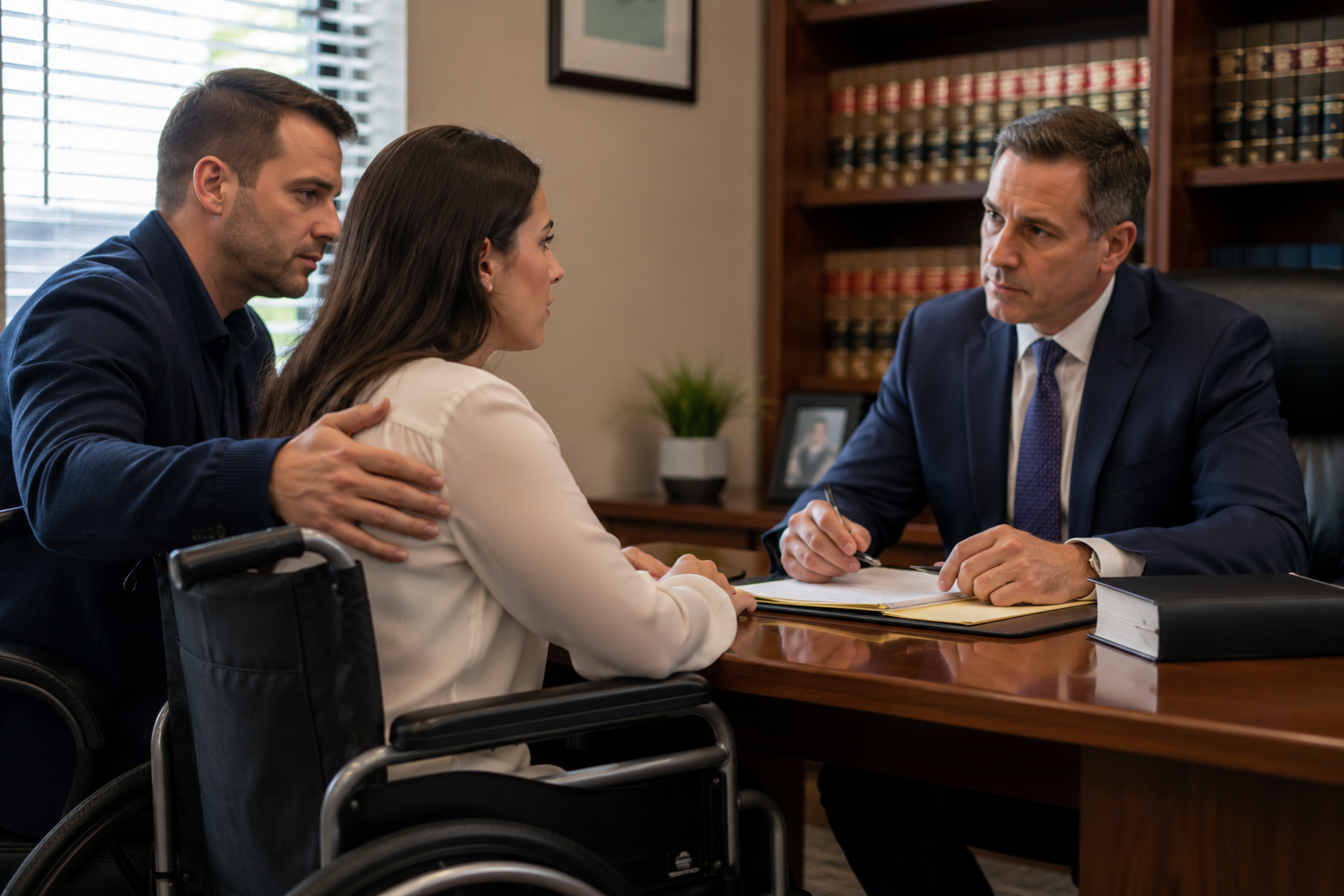
When you prepare for surgery, you expect the medical team to follow accepted standards of care from the moment you arrive until your recovery begins. While every surgical procedure carries some level of risk, patients trust that anesthesia will be administered safely by qualified professionals who carefully monitor their condition throughout the operation. Unfortunately, that trust is sometimes broken.

Anesthesia errors are among the most devastating forms of medical malpractice because even a brief mistake can cause catastrophic, lifelong consequences. A medication error, failure to monitor oxygen levels, delayed response to complications, or poor communication between medical professionals can leave a patient with permanent brain damage, severe disabilities, or even result in a preventable death.

Not every complication involving anesthesia is considered medical malpractice. However, when healthcare providers fail to meet the accepted standard of care and that negligence causes injury, patients and families may have legal options. Understanding what went wrong is often the first step toward obtaining answers and pursuing accountability.

At Zaveri Law Firm, we represent individuals and families whose lives have been changed by serious medical negligence. Our goal is to help victims understand their rights while aggressively pursuing compensation from the healthcare providers responsible for preventable injuries.


Understanding Anesthesia and Why It Requires Extraordinary Care

Anesthesia is much more than simply putting a patient to sleep. It involves carefully controlling pain, consciousness, breathing, heart function, blood pressure, and many other critical bodily functions throughout surgery.

Depending on the procedure, patients may receive:

Every patient responds differently to anesthetic medications. Age, weight, allergies, existing health conditions, medications, and previous surgical history all influence how anesthesia should be administered.

Before surgery begins, anesthesia providers should:

Throughout the operation, the anesthesia provider must continuously monitor the patient's condition. This responsibility never stops until the patient has safely recovered from anesthesia.


Common Types of Anesthesia Errors

Although anesthesia has become remarkably safe over the years, mistakes still occur. Many anesthesia injuries are entirely preventable when healthcare professionals follow established safety procedures.

Some of the most common anesthesia errors include:

Incorrect Medication Dosage

Administering too much anesthesia can dangerously suppress breathing, heart rate, and blood pressure.

Administering too little anesthesia can leave patients partially awake during surgery, causing severe physical pain and psychological trauma.


Failure to Monitor the Patient

Continuous monitoring is one of the most important responsibilities of anesthesia providers.

If oxygen levels, heart rate, blood pressure, breathing, or carbon dioxide levels are not closely observed, complications can rapidly become life-threatening.


Delayed Recognition of Oxygen Deprivation

Even a few minutes without adequate oxygen can permanently damage the brain.

Failure to recognize declining oxygen saturation may result in:


Failure to Review Medical History

Certain medical conditions dramatically increase anesthesia risks.

Providers should identify:

Ignoring these factors may lead to preventable complications.


Medication Mix-Ups

Operating rooms contain numerous powerful medications that often look similar.

Medication errors may involve:

These mistakes can have immediate and catastrophic consequences.


Airway Management Errors

Patients under general anesthesia often cannot breathe normally without assistance.

Errors involving airway management may include:

Any interruption in oxygen delivery may cause permanent injuries within minutes.


How Routine Procedures Can Suddenly Become Catastrophic

One of the most frightening aspects of anesthesia malpractice is that many injuries occur during procedures considered routine.

Examples include:

Patients often expect these surgeries to involve relatively low risk.

Instead, an avoidable anesthesia mistake can leave them with:

The surgery itself may have been successful while the anesthesia error permanently changed the patient's life.


Warning Signs That an Anesthesia Error May Have Occurred

Families are often told that complications are simply "known risks" of surgery.

While complications do happen, certain warning signs may indicate negligence rather than unavoidable medical outcomes.

Possible warning signs include:

When these events occur, a careful review of medical records may reveal whether the accepted standard of care was followed.


The Life-Changing Consequences of Anesthesia Negligence

Victims of anesthesia malpractice often face far more than temporary medical complications.

Many suffer lifelong physical, emotional, and financial hardships.

Possible long-term consequences include:

Brain Damage

Oxygen deprivation may permanently damage areas of the brain responsible for:

Some victims require lifelong assistance with basic daily activities.


Permanent Disability

Patients may lose the ability to:


Emotional Trauma

Some patients experience anesthesia awareness, meaning they regain consciousness during surgery while unable to move or speak.

This horrifying experience may lead to:


Financial Burdens

Catastrophic injuries frequently result in:

Families often face enormous financial pressure while trying to care for an injured loved one.


Why Communication Failures Increase the Risk of Errors

Operating rooms involve multiple professionals working together.

These may include:

When communication breaks down, serious mistakes become much more likely.

Examples include:

Even one missed piece of information can dramatically alter the outcome of surgery.


Who May Be Responsible for an Anesthesia Error?

Medical malpractice cases involving anesthesia often involve multiple healthcare providers.

Potentially responsible parties may include:

Every case requires a detailed investigation to determine exactly where the breakdown occurred.


How Medical Experts Help Identify Negligence

Anesthesia malpractice cases are highly technical.

Medical experts carefully review records such as:

Experts evaluate whether the healthcare providers acted reasonably under the circumstances.

If accepted safety standards were ignored, those findings may become critical evidence in a medical malpractice claim.


Compensation May Include More Than Medical Bills

When negligence causes catastrophic injury, victims may suffer losses for decades.

A successful medical malpractice claim may seek compensation for:

Every case is unique, and the available compensation depends on the specific facts and evidence.


Why Acting Quickly Matters

Evidence can become more difficult to obtain as time passes.

Medical records, electronic monitoring data, witness recollections, and other important evidence should be preserved as early as possible.

If you suspect an anesthesia error caused serious injury, obtaining legal guidance promptly can help protect important evidence while your case is investigated.

Just as importantly, do not talk to insurance companies without legal representation. Insurance representatives may appear helpful, but their interests are not necessarily aligned with yours. Instead, speak with Zaveri Law Firm. Our team can handle communications with insurance companies on your behalf so you can focus on your recovery and your family.


How Zaveri Law Firm Investigates Medical Malpractice Cases

Medical malpractice claims require extensive preparation and careful analysis.

At Zaveri Law Firm, we thoroughly investigate every case by examining the available evidence and working with qualified medical experts when appropriate.

Our investigation may include:

Medical providers and hospitals often have substantial legal resources defending these claims. Our firm works to build a strong, evidence-based case that clearly demonstrates how preventable errors resulted in serious harm.


Questions Families Should Ask After a Serious Surgical Complication

After an unexpected injury during surgery, families are often left searching for answers.

Important questions include:

Obtaining complete answers may require a thorough legal and medical review.


Preventing Future Anesthesia Errors

While no healthcare system can eliminate every medical complication, many anesthesia injuries are preventable through adherence to well-established patient safety practices.

Healthcare providers should consistently:

When these safeguards are ignored, patients may pay the price with life-altering injuries.

Holding negligent providers accountable not only helps injured patients seek financial recovery but also encourages healthcare systems to improve safety practices for future patients.


Frequently Asked Questions

Can an anesthesia complication automatically be considered medical malpractice?

No. Some complications occur despite appropriate medical care. However, if a healthcare provider failed to meet the accepted standard of care and that failure caused injury, it may constitute medical malpractice.

Who can be held responsible for an anesthesia error?

Depending on the circumstances, responsibility may rest with an anesthesiologist, nurse anesthetist, surgeon, hospital, surgical center, or another healthcare provider involved in your care. A thorough investigation is necessary to determine liability.

What injuries can anesthesia errors cause?

Anesthesia mistakes can result in brain damage, stroke, oxygen deprivation, nerve injuries, cardiac complications, psychological trauma, permanent disability, coma, or wrongful death.

How can I know whether negligence occurred?

Medical malpractice cases typically require a detailed review of medical records and opinions from qualified medical experts. An attorney can help determine whether there is evidence that the standard of care was violated.

Should I speak with the insurance company after a suspected medical malpractice incident?

No. Do not talk to insurance companies without legal representation. Contact Zaveri Law Firm first. Our team can communicate with insurance companies on your behalf and help protect your rights throughout the process.


Conclusion

Anesthesia allows millions of patients to undergo necessary surgeries safely every year, but when healthcare providers fail to follow accepted medical standards, the consequences can be devastating. A routine procedure that should have improved a patient's health can instead leave them with permanent injuries, overwhelming medical expenses, and an uncertain future.

While not every poor surgical outcome results from negligence, preventable anesthesia errors deserve careful investigation. Patients and families deserve honest answers about what happened and whether those injuries could have been avoided through proper medical care.

If you or someone you love suffered a serious injury after receiving anesthesia during surgery, you do not have to navigate the situation alone. Understanding your legal rights is an important step toward pursuing accountability and obtaining the resources needed for long-term care and recovery.

If you believe an anesthesia error or another form of medical malpractice caused serious harm to you or a loved one, contact Zaveri Law Firm to discuss your situation. Our team is committed to helping clients understand their legal options while handling communications with insurance companies and investigating the circumstances surrounding preventable medical injuries.

Do not talk to insurance companies without legal representation. Speak with Zaveri Law Firm, and let us handle communications on your behalf.

Zaveri Law Firm
Address: 516 N Charles St #400, Baltimore, MD 21201
Phone: (240) 292-8374
Email: kzaveri@zaverilawfirm.com
Website: zaverilawfirm.com

Dangerous Medical Devices: When Defective Products Cause Serious Injury

What Does an Atlanta Car Accident Lawyer Do? | Georgia | Rafi Law Firm

Medical devices are designed to improve health, restore function, and save lives. Millions of people rely on implants, surgical tools, prosthetics, pacemakers, joint replacements, infusion pumps, and other medical devices every day. Patients trust that these products have been properly designed, thoroughly tested, and manufactured according to strict safety standards before reaching hospitals and clinics.

Unfortunately, that trust is sometimes misplaced.

When a medical device contains a defect, the consequences can be devastating. A device failure can lead to severe injuries, additional surgeries, permanent disabilities, worsening medical conditions, infections, organ damage, and even death. Patients who sought treatment to improve their health may instead find themselves facing years of pain, medical expenses, and uncertainty.

In these situations, manufacturers and other responsible parties may be held accountable through product liability claims. Defective medical device cases often involve complex legal and medical issues, making it important for injured individuals to understand their rights and seek experienced legal representation.

At Zaveri Law Firm, we help injury victims pursue justice when dangerous products cause harm. Our firm is dedicated to protecting individuals and families who have suffered because of negligence and defective products. We understand the life-changing impact a defective medical device can have and work tirelessly to pursue compensation for our clients.


Understanding Medical Device Product Liability

Product liability law allows injured consumers to seek compensation when a defective product causes harm.

Unlike many personal injury cases that focus on proving negligence, some product liability claims may be based on strict liability. This means that an injured person may not need to prove the manufacturer acted carelessly. Instead, they may need to show that the product was defective and that the defect caused their injuries.

Medical device manufacturers have a responsibility to place reasonably safe products into the marketplace. When they fail to do so, patients may have legal options.

Medical device product liability claims generally fall into three categories:


Design Defects

A design defect exists when a product is inherently dangerous because of the way it was designed.

Even if every device is manufactured exactly as intended, the product may still pose unreasonable risks to patients.

Examples include:

In these situations, the problem is not a manufacturing error. The problem is the design itself.


Manufacturing Defects

Manufacturing defects occur during production.

A product may have been designed appropriately, but mistakes during manufacturing create dangerous conditions.

Examples include:

A manufacturing defect may affect a single device, a batch of products, or an entire product line.


Failure to Warn

Medical device companies have a duty to provide adequate warnings about known risks.

Doctors and patients should receive clear information regarding:

When manufacturers fail to provide sufficient warnings, patients may suffer preventable injuries.

Failure-to-warn claims often arise when manufacturers knew—or should have known—about serious risks but failed to disclose them adequately.


Common Types of Dangerous Medical Devices

Defective medical devices can be found in virtually every area of healthcare.

Some products have generated thousands of injury claims nationwide.


Hip Replacement Implants

Hip replacement surgery is intended to restore mobility and reduce pain, according to Mayo Clinic.

However, some metal-on-metal hip implants have been linked to:

Patients may require additional procedures when these implants fail prematurely.


Surgical Mesh

Surgical mesh is frequently used to treat hernias and pelvic organ prolapse.

Some products have been associated with:

Many patients require corrective surgeries to address complications.


Pacemakers and Defibrillators

Cardiac devices play a critical role in regulating heart rhythms.

Defects may lead to:

A malfunctioning cardiac device can create life-threatening situations.


Infusion Pumps

Infusion pumps deliver medication directly into a patient's body.

When these devices malfunction, patients may receive:

Such failures can result in severe complications.


Joint Replacements

Knee, shoulder, and ankle replacement devices may fail due to:

Patients may experience pain, instability, and the need for revision surgeries.


Surgical Instruments

Defective surgical tools can break during procedures or function improperly, increasing the risk of:


How Medical Device Defects Cause Serious Injuries

A defective medical device can affect nearly every aspect of a person's life.

Physical injuries are often only part of the problem.

Victims may also face emotional distress, financial hardship, and long-term medical complications.

Common injuries associated with defective medical devices include:


Chronic Pain

Persistent pain can continue for months or years following device failure.

Many victims experience reduced mobility and diminished quality of life.


Internal Organ Damage

Defective devices can damage nearby organs and tissues.

In some cases, permanent injuries occur before the defect is discovered.


Infections

Medical device failures may increase the risk of serious infections.

Severe infections can require hospitalization and additional surgeries.


Nerve Damage

Defective implants and surgical complications can cause nerve injuries that result in:


Loss of Mobility

Failed implants may limit a person's ability to walk, work, or perform daily activities.


Additional Surgeries

Many patients must undergo revision procedures to remove or replace defective devices.

These surgeries often carry additional risks and lengthy recovery periods.


Wrongful Death

Tragically, some defective medical devices contribute to fatal injuries and complications.

Families may be left dealing with emotional trauma, financial losses, and unanswered questions.


Who May Be Liable for a Defective Medical Device?

Medical device cases often involve multiple potentially responsible parties.

Depending on the circumstances, liability may extend to:


Manufacturers

Manufacturers are frequently the primary defendants in defective medical device claims.

They may be responsible for:


Component Manufacturers

Individual parts used within a medical device may contain defects.

Companies producing those components may share liability.


Distributors

Businesses involved in distributing defective products may sometimes be held accountable.


Suppliers

Suppliers who contribute to unsafe products may face legal responsibility in certain cases.


Healthcare Providers

Although product liability cases generally focus on defective products, healthcare providers may sometimes contribute to injuries through improper use or implantation of a device.

Each case requires a careful investigation to identify all responsible parties.


Warning Signs That a Medical Device May Be Defective

Patients often do not realize immediately that a defective device is causing their symptoms.

Potential warning signs include:

If a patient suspects a medical device failure, seeking prompt medical attention is important.

Medical records often become critical evidence in a future legal claim.


The Importance of Medical Device Recalls

Recalls occur when safety concerns are identified after products enter the marketplace.

A recall may be initiated by:

However, a recall does not automatically compensate injured patients.

Many individuals continue to suffer serious harm even after a product is removed from the market.

A recall may strengthen evidence that a product was defective, but victims still need to pursue legal action to recover compensation.


Compensation Available in Defective Medical Device Cases

Victims of dangerous medical devices may face enormous financial and personal losses.

Depending on the circumstances, compensation may include:


Medical Expenses

This may include:


Lost Income

Many victims miss work while recovering.

Some are unable to return to their previous occupations.


Loss of Future Earning Capacity

Permanent injuries may affect long-term earning potential.


Pain and Suffering

Compensation may be available for physical pain, emotional distress, and reduced quality of life.


Disability and Disfigurement

Serious injuries can result in lasting disabilities and permanent physical changes.


Wrongful Death Damages

Families who lose loved ones may be entitled to compensation for:


Why Defective Medical Device Cases Are Complex

Medical device litigation is often significantly more complicated than many other injury claims.

These cases frequently involve:

Large manufacturers often have substantial resources dedicated to defending claims.

Victims deserve legal representation capable of thoroughly investigating the facts and building a strong case.

At Zaveri Law Firm, we understand the challenges involved in complex injury litigation. Our team works diligently to pursue accountability and justice for individuals harmed by negligence and defective products, sharing regular safety updates and insights on our blog.


What To Do If You Believe a Medical Device Caused Your Injury

If you suspect a defective medical device contributed to your injuries, consider taking the following steps:


Seek Medical Care

Your health should always come first.

Prompt medical evaluation can identify complications and create important documentation.


Preserve Evidence

Keep:


Document Symptoms

Maintain a record of:


Avoid Speaking With Insurance Companies Without Legal Representation

Insurance companies often prioritize their own financial interests.

Do not talk to insurance companies without legal representation.

Instead, speak with Zaveri Law Firm. Our team can help protect your rights and handle communications related to your claim.


Contact an Attorney

Early legal guidance can help preserve evidence and identify important legal options.

An attorney can investigate the circumstances surrounding the defective device and determine potential sources of liability.


How Zaveri Law Firm Can Help

When a defective medical device causes serious injury, victims often feel overwhelmed.

Medical bills continue to accumulate. Recovery may be uncertain. Families may struggle to understand what happened and who should be held responsible.

Zaveri Law Firm is committed to helping injury victims pursue accountability and compensation. Our firm represents individuals harmed by negligence, medical injuries, and dangerous products. We take a client-focused approach and work diligently to investigate claims, gather evidence, and advocate for those who have been injured.

We understand that every case is unique.

Whether your injury involves a defective implant, surgical device, infusion pump, or another medical product, our team is prepared to evaluate your situation and discuss your legal options.


Frequently Asked Questions

Can I file a claim if my medical device was recalled?

Possibly. A recall may serve as evidence that a product was defective, but additional factors determine whether a legal claim exists.

What if my doctor did not tell me the device was defective?

You may still have a valid claim. Many patients learn about defects only after experiencing complications.

How long do I have to file a claim?

Deadlines vary depending on the facts of the case. Speaking with an attorney as soon as possible is important.

What compensation can I recover?

Compensation may include medical expenses, lost income, pain and suffering, disability-related losses, and other damages.

Do all defective medical device cases go to trial?

Not necessarily. Some claims resolve through settlements, while others proceed through litigation.

What if I am not sure whether a device caused my injury?

An attorney can investigate your medical history, device information, and available evidence to determine whether a defect may have contributed to your injuries.


Conclusion

Medical devices are intended to improve lives, not cause additional suffering. Unfortunately, defective products continue to injure patients across the country. When manufacturers place dangerous devices into the marketplace or fail to warn patients about known risks, the consequences can be catastrophic.

Victims may face extensive medical treatment, mounting expenses, lost income, chronic pain, and life-changing disabilities. In the most tragic cases, families lose loved ones because a product failed when it was needed most.

If you or someone you love has been harmed by a defective medical device, understanding your legal rights is an important first step. A thorough investigation can help determine whether a dangerous product contributed to your injuries and who may be held accountable.

If you believe a defective medical device caused serious injury, contact Zaveri Law Firm to discuss your situation.

Do not talk to insurance companies without legal representation.

Let our team evaluate your case and help you understand your legal options.

Zaveri Law Firm

📍 Address: 516 N Charles St #400, Baltimore, Maryland, MD 21201
📞 Phone: (240) 292-8374
📧 Email: kzaveri@zaverilawfirm.com
🌐 Website: zaverilawfirm.com

Schedule a consultation today to learn how Zaveri Law Firm can help you pursue justice after a serious injury caused by a dangerous medical device.

Hospital Negligence in Emergency Rooms: When Delays Become Dangerous

When people visit an emergency room, they expect immediate medical attention for serious injuries, illnesses, and life-threatening conditions. Emergency departments exist to provide rapid evaluation and treatment when every minute matters. Unfortunately, emergency room negligence can occur when hospitals fail to provide timely care, leading to devastating consequences for patients and their families.

A delay in emergency medical treatment can mean the difference between recovery and permanent disability. In some cases, delays may even result in wrongful death. Whether caused by overcrowding, staffing shortages, communication failures, misdiagnosis, or administrative mistakes, hospital negligence in emergency rooms can have life-altering consequences.

At the Zaveri Law Firm, we understand the profound impact medical negligence can have on victims and their loved ones. Our firm is dedicated to helping individuals who have suffered harm due to preventable medical errors and hospital negligence. We fight to hold negligent healthcare providers accountable and pursue compensation for the losses victims experience.


Understanding Emergency Room Negligence

Emergency room negligence occurs when a hospital, physician, nurse, or healthcare provider fails to provide an acceptable standard of care in an emergency setting.

Not every unfavorable medical outcome is negligence. However, when healthcare providers fail to act reasonably under the circumstances and that failure causes harm, legal liability may exist.

Emergency departments face unique challenges, including:

Despite these challenges, hospitals are expected to maintain systems and procedures that protect patient safety. When those systems fail, patients can suffer severe and preventable injuries. Learn more about how we fight for victims of these systemic failures on our dedicated practice areas page.


Why Timely Emergency Treatment Matters

Emergency medicine revolves around rapid intervention.

Many medical emergencies become significantly more dangerous with every passing minute.

Examples include:

Stroke

A stroke occurs when blood flow to the brain is interrupted.

Brain cells begin dying within minutes.

Prompt diagnosis and treatment may:

Delays in recognizing stroke symptoms can lead to irreversible neurological injuries.


Heart Attack

A heart attack requires immediate medical intervention to restore blood flow to the heart muscle.

Delays may result in:

Emergency room staff must quickly evaluate symptoms such as chest pain, shortness of breath, dizziness, and arm pain. According to the American Heart Association, immediate treatment is paramount because time lost is brain and muscle lost when blood flow is blocked.


Sepsis

Sepsis is a life-threatening response to infection.

Without prompt treatment, sepsis can rapidly progress to:

Every hour of delay may significantly increase the risk of serious complications.


Traumatic Injuries

Victims of car accidents, falls, workplace accidents, and other traumatic incidents often require immediate evaluation.

Delays in diagnosing internal bleeding, head injuries, or spinal injuries can result in catastrophic outcomes.


Common Causes of Emergency Room Delays

Emergency room negligence can arise from various factors.

Some delays occur because healthcare providers fail to recognize the severity of a patient's condition. Others stem from systemic hospital failures.


Overcrowded Emergency Departments

Many hospitals struggle with overcrowding.

When emergency rooms exceed capacity:

While high patient volume presents challenges, hospitals still have a responsibility to implement systems that prioritize critically ill patients.


Inadequate Triage Procedures

Triage is the process of assessing patients and determining treatment priority.

Patients with life-threatening conditions should receive immediate attention.

Negligence may occur when:

An inaccurate triage assessment can create dangerous delays.


Staffing Shortages

Hospitals must maintain adequate staffing levels to provide safe patient care.

Understaffed emergency departments may experience:

When hospitals fail to provide sufficient staffing, patient safety can be compromised.


Communication Failures

Emergency care often involves multiple healthcare professionals.

Doctors, nurses, specialists, technicians, and administrative staff must communicate effectively.

Breakdowns in communication may result in:

Even a simple communication error can have serious consequences in an emergency setting.


Administrative Mistakes

Clerical and administrative errors may seem minor, but they can significantly impact patient care.

Examples include:

Administrative failures can delay critical treatment when time is of the essence. We frequently discuss the legal ramifications of these healthcare oversights on our blog.


Examples of Dangerous Emergency Room Negligence

Emergency room negligence can take many forms.

Failure to Diagnose a Stroke

A patient arrives with slurred speech, facial drooping, and weakness.

Staff mistakenly attribute symptoms to fatigue or intoxication.

Hours pass before proper testing is performed.

As a result, the patient suffers permanent brain damage that may have been prevented with timely treatment.


Delayed Heart Attack Diagnosis

A patient reports chest pain and shortness of breath.

Instead of receiving immediate cardiac testing, the patient waits for several hours.

During the delay, heart muscle damage progresses, resulting in long-term complications.


Missed Internal Bleeding

Following a serious vehicle collision, a patient complains of abdominal pain and dizziness.

The patient is discharged without appropriate imaging studies.

Hours later, internal bleeding becomes life-threatening.


Failure to Recognize Sepsis

A patient presents with signs of infection, fever, and low blood pressure.

Medical staff fail to identify the condition as sepsis.

Delayed treatment allows the infection to spread, leading to organ failure.


Delayed Surgical Consultation

A patient requires emergency surgery.

However, communication failures delay consultation with a surgeon.

The patient's condition worsens while waiting for necessary treatment.


Catastrophic Injuries Caused by Emergency Room Negligence

The consequences of emergency room negligence can be severe and long-lasting.

In many cases, delayed treatment causes catastrophic injuries that permanently alter a victim's life.

Examples include:

Traumatic Brain Injuries

When emergency providers fail to diagnose or treat head trauma promptly, patients may suffer permanent cognitive impairment.

Traumatic brain injuries may cause:


Spinal Cord Injuries

Delays in evaluating spinal trauma can worsen neurological damage.

Victims may experience:


Organ Failure

Delayed treatment of infections, blood loss, or other emergencies may lead to irreversible organ damage.

Patients may require:


Amputations

Failure to restore blood flow or treat severe infections can lead to tissue death.

In some cases, amputation becomes necessary to save a patient's life.


Wrongful Death

Perhaps the most tragic consequence of emergency room negligence is the loss of life.

Families may be left coping with emotional trauma, financial hardship, and unanswered questions about what went wrong.


How Hospitals Can Prevent Emergency Room Negligence

Hospitals have a responsibility to create safe systems that reduce the risk of patient harm.

Effective measures may include:

Improved Staffing

Adequate staffing levels help ensure patients receive prompt evaluation and treatment.

Hospitals should regularly assess patient volume and staffing needs.


Enhanced Training

Ongoing education helps healthcare providers recognize medical emergencies quickly.

Training programs may focus on:


Better Communication Systems

Clear communication protocols can reduce errors and improve coordination among healthcare providers.

Hospitals should encourage accurate documentation and timely information sharing.


Quality Improvement Programs

Regular review of emergency department performance can help identify problems before they result in patient harm.

Hospitals should analyze:


Technology and Monitoring

Electronic health records and monitoring systems can improve efficiency and reduce the likelihood of overlooked information.

Proper use of technology can help emergency departments identify high-risk patients more quickly.


The Financial Impact of Emergency Room Negligence

Victims of medical negligence often face significant financial burdens.

These losses may include:

For catastrophic injury victims, financial losses can continue for years or even decades.

The economic impact often extends beyond the injured individual and affects entire families.


Proving Hospital Negligence in an Emergency Room Case

Not every emergency room delay automatically constitutes negligence. Healthcare providers are not expected to guarantee perfect outcomes. However, they are expected to provide care that meets accepted medical standards.

To establish a medical malpractice claim involving emergency room negligence, several factors generally must be demonstrated.


Duty of Care

The healthcare provider or hospital must have owed a duty of care to the patient.

Once a patient seeks treatment and is accepted for care, medical professionals generally have a responsibility to provide appropriate treatment.


Breach of the Standard of Care

The provider must have failed to act in a manner consistent with accepted medical standards.

Examples may include:


Causation

It must be shown that the delay or negligent action directly contributed to the patient's injury.

For example, if a stroke patient suffers permanent disability because treatment was delayed for several hours, causation may exist.


Damages

The patient must have suffered measurable harm, such as:


Evidence Commonly Used in Emergency Room Negligence Cases

Medical malpractice claims often require extensive investigation.

Important evidence may include:

Medical Records

Hospital records can reveal:

Medical records often provide a detailed timeline of events.


Imaging Studies and Laboratory Results

CT scans, MRIs, X-rays, blood tests, and other diagnostic results may help demonstrate whether delays occurred and how those delays impacted the patient's condition.


Witness Statements

Witnesses may include:

Witness testimony can help establish what occurred during treatment.


Expert Medical Opinions

Medical experts frequently review records and determine whether providers met accepted standards of care.

Expert testimony often plays a significant role in medical malpractice litigation.


Hospital Policies and Procedures

Hospitals typically maintain protocols for handling emergency situations.

Failure to follow established procedures may help demonstrate negligence.


Long-Term Consequences for Victims and Families

The effects of emergency room negligence often extend far beyond the initial injury.

Many victims face lifelong challenges.

Physical Limitations

Catastrophic injuries may affect a person's ability to:

Some individuals require lifelong medical assistance.


Emotional Trauma

Victims frequently experience:

The emotional impact can be just as significant as the physical injury.


Family Burdens

Family members often become caregivers.

Responsibilities may include:

Caregiving demands can place enormous strain on relationships and household finances.


Career and Financial Challenges

Catastrophic injuries may prevent victims from returning to their previous occupations.

Some individuals lose years of earning potential due to disabilities caused by delayed treatment.


What To Do If You Suspect Emergency Room Negligence

If you believe a delay in emergency treatment caused serious harm, taking prompt action may help protect your rights.

Seek Ongoing Medical Care

Your health should remain the top priority.

Continue following medical recommendations and attend all follow-up appointments.

Proper treatment can help maximize recovery and document the extent of your injuries.


Preserve Records

Keep copies of:

These documents may become important evidence.


Document Your Experience

Write down everything you remember about the emergency room visit.

Include details such as:

Memories often fade over time, making early documentation valuable.


Speak With an Experienced Medical Malpractice Attorney

Medical negligence cases can be highly complex.

An attorney can evaluate the circumstances, investigate the facts, and determine whether legal action may be appropriate.

Do not talk to insurance companies without legal representation.

Insurance companies often begin investigating claims shortly after an injury occurs.

If hospital representatives or insurance companies contact you, avoid providing recorded statements or discussing the details of your case without legal representation.

Instead, contact the Zaveri Law Firm immediately.

The legal team can handle communications on your behalf and help protect your interests throughout the claims process.


Why Legal Representation Matters

Hospitals and their insurance providers often have substantial resources available to defend against malpractice claims.

Victims may face challenges such as:

Having experienced legal representation can make a significant difference.

A thorough investigation may uncover evidence showing that a preventable delay caused serious harm.

An attorney can work to pursue compensation for:


Frequently Asked Questions

What is considered emergency room negligence?

Emergency room negligence occurs when a healthcare provider or hospital fails to provide appropriate care and that failure causes injury to a patient. Examples may include delayed diagnosis, treatment delays, medication errors, or failure to recognize serious medical conditions.

Can a long emergency room wait time be malpractice?

Not every wait time constitutes malpractice. However, if a patient experiences a dangerous delay due to negligent triage, misdiagnosis, communication failures, or other preventable errors that result in harm, a claim may exist.

What types of injuries can result from delayed emergency treatment?

Delayed treatment may contribute to:

How do I know if the hospital was negligent?

A medical malpractice attorney can review medical records, consult experts, and investigate whether healthcare providers met accepted standards of care.

How long do I have to pursue a claim?

Every case is unique. It is important to speak with an attorney as soon as possible after discovering a potential injury caused by emergency room negligence.

Can family members file a claim if a loved one dies due to hospital negligence?

In certain circumstances, surviving family members may be able to pursue legal action when negligence contributes to a loved one's death.

An attorney can evaluate the situation and explain available options.

What damages may be available in an emergency room negligence case?

Potential damages may include:

Should I speak with the hospital's insurance company?

No. If an insurance company contacts you, it is generally best to seek legal representation first.

Do not talk to insurance companies without legal representation.

Contact the Zaveri Law Firm so the legal team can handle communications on your behalf.


Conclusion

Emergency rooms play a vital role in protecting public health and responding to life-threatening situations. Patients trust hospitals and healthcare providers to deliver timely treatment when every second counts.

Unfortunately, emergency room negligence can occur when hospitals fail to recognize serious conditions, delay treatment, miscommunicate critical information, or otherwise fall below accepted standards of care. These failures may lead to catastrophic injuries, permanent disabilities, and tragic loss of life.

When delays become dangerous, victims and families deserve answers. Holding negligent healthcare providers accountable not only helps injured individuals pursue compensation but also promotes safer healthcare practices that protect future patients.

If you or a loved one suffered harm because of delayed emergency treatment, it is important to seek experienced legal guidance as soon as possible.

If you believe hospital negligence or emergency room delays caused serious injury or the loss of a loved one, the Zaveri Law Firm is prepared to help.

Our team is committed to advocating for injury victims and pursuing justice on their behalf. We understand the devastating impact medical negligence can have on individuals and families, and we work tirelessly to hold negligent parties accountable.

Do not communicate with insurance companies on your own. Contact the Zaveri Law Firm first and allow our legal team to protect your interests.

Zaveri Law Firm

📍 Address: 516 N Charles St #400, Baltimore, Maryland, MD 21201
📞 Phone: (240) 292-8374
✉️ Email: kzaveri@zaverilawfirm.com
🌐 Website: zaverilawfirm.com

Schedule a consultation today to discuss your situation and learn how we may be able to assist you.

A Lifetime Changed in Seconds: The Devastating Impact of Birth Injuries Caused by Negligence

Do Birth Injuries Have Long-Term Effects? | Chicago, IL

What Are Birth Injuries?

A birth injury refers to any physical harm sustained by a baby before, during, or shortly after delivery. These injuries can range from minor bruises that heal quickly to severe, life-altering conditions such as brain damage or paralysis.

It is important to distinguish between unavoidable complications and those caused by medical negligence. While childbirth inherently carries risks, healthcare providers are trained to anticipate and manage complications effectively. When they fail to do so, and harm results, it may be considered negligence.

Medical negligence occurs when a doctor, nurse, or other healthcare professional fails to meet the accepted standard of care. This includes errors in judgment, delayed responses, improper procedures, or failure to monitor the health of the mother and baby.

The Emotional Shock: When Expectations Collapse

For many parents, a birth injury comes as a shocking and unexpected event. One moment, the labor appears to be progressing normally, filled with anticipation and hope. The next moment, chaos can erupt in the delivery room—rushed movements, urgent medical decisions, and a flurry of unfamiliar terminology. Parents may feel powerless as healthcare providers work quickly to stabilize their child, while their own emotions swing between fear, confusion, and disbelief. This sudden transition from joy to crisis can leave lasting emotional scars, making it difficult for families to process what has happened and to begin planning for the future.

Instead of hearing reassuring words, parents may hear phrases like:

The transition from excitement to fear can be overwhelming. Parents may feel helpless, confused, and terrified for their child’s life. This emotional trauma often lingers long after the initial event.

Common Causes of Birth Injuries Due to Negligence

Many birth injuries are preventable and often occur due to avoidable medical mistakes during labor and delivery. Common causes include failure to properly monitor fetal distress, delays or errors in performing cesarean sections, improper use of delivery tools such as forceps or vacuum extractors, medication mistakes, undiagnosed or poorly managed maternal complications, and inadequate prenatal care. Poor communication among medical staff can also contribute to these errors. Each of these failures can result in serious consequences, including brain damage, nerve injuries, or lifelong disabilities. Awareness and timely intervention are crucial to prevent such life-altering outcomes for newborns.

1. Failure to Monitor Fetal Distress

Medical professionals must carefully track the baby’s heart rate and oxygen levels during labor. Signs of distress, such as abnormal heart rhythms, require immediate action. Ignoring or misinterpreting these signs can result in oxygen deprivation, leading to brain damage or conditions like cerebral palsy.

2. Delayed or Improper Cesarean Section

A cesarean section (C-section) can be a lifesaving procedure. However, delays in performing one when necessary can cause severe harm. Conversely, performing a C-section improperly can also lead to complications.

3. Misuse of Delivery Tools

Forceps and vacuum extractors are sometimes used to assist in delivery. When used incorrectly or with excessive force, they can cause skull fractures, brain injuries, or nerve damage.

4. Medication Errors

Administering the wrong medication or incorrect dosage can affect both the mother and baby. For example, improper use of labor-inducing drugs can cause contractions that are too strong or too frequent, reducing oxygen supply to the baby.

5. Failure to Diagnose Maternal Conditions

Conditions such as preeclampsia, gestational diabetes, and infections must be properly diagnosed and managed. Failure to do so can increase the risk of complications during delivery.

6. Lack of Proper Prenatal Care

Inadequate prenatal care can lead to missed warning signs and preventable complications. Regular checkups are essential for identifying risks early.

7. Poor Communication Among Medical Staff

Miscommunication between doctors, nurses, and other staff can lead to delays or errors in treatment, increasing the likelihood of injury.

Types of Birth Injuries

Birth injuries can vary widely in severity, ranging from minor, temporary issues to serious, lifelong disabilities that profoundly affect a child’s development. Some injuries may heal with time and treatment, while others result in permanent physical, cognitive, or neurological challenges. The long-term impact often extends beyond the child, affecting the entire family emotionally, physically, and financially. Children with severe injuries may require ongoing medical care, specialized therapy, adaptive equipment, and educational support. Families often need guidance, resources, and emotional support to navigate these challenges, emphasizing the importance of early intervention and comprehensive care to improve outcomes and quality of life.

Injuries Affecting the Baby

Cerebral Palsy
Often caused by oxygen deprivation during birth, cerebral palsy affects muscle control, coordination, and movement. It is usually a lifelong condition.

Brachial Plexus Injuries
These occur when the nerves controlling the arm and hand are damaged, often due to excessive pulling during delivery. This can result in weakness or paralysis.

Brain Damage (Hypoxic-Ischemic Encephalopathy)
A lack of oxygen to the brain can cause permanent damage, affecting cognitive and physical development.

Fractures
Broken bones, particularly the clavicle, can occur during difficult deliveries.

Spinal Cord Injuries
Though rare, these injuries can result in paralysis and severe disability.

Injuries Affecting the Mother

Birth injuries are not limited to babies. Mothers can also suffer serious complications, including:

These injuries can have lasting physical and emotional effects on the mother’s well-being.

The Lifelong Consequences of Birth Injuries

1. Physical Challenges

Children with severe birth injuries often face lifelong physical challenges, including:

These challenges can significantly impact the child’s independence and quality of life.

2. Developmental and Cognitive Delays

Some birth injuries affect brain function, leading to:

Early intervention can help, but many children require ongoing support throughout their lives.

3. Emotional and Psychological Impact

The emotional toll on families is immense. Parents may experience:

Children with birth injuries may also struggle with self-esteem and social inclusion as they grow older.

4. Financial Burden

The financial impact of a birth injury can be overwhelming. Expenses may include:

In many cases, one parent may need to leave their job to become a full-time caregiver, further reducing household income.

Recognizing Signs of Medical Negligence

Not every birth injury is the result of negligence. However, certain warning signs may indicate that something went wrong:

If you suspect negligence, it is important to seek a professional evaluation as soon as possible.

Legal Rights of Families

Families affected by birth injuries have the right to pursue legal action if negligence is involved. A birth injury claim can help secure compensation for:

Legal action is not just about financial recovery—it is also about accountability and preventing similar incidents from happening to others.

The Role of a Birth Injury Lawyer

Birth injury cases are complex and require specialized knowledge of both medical and legal principles. An experienced lawyer can:

Having skilled legal representation ensures that your case is handled with the care and expertise it deserves.

Preventing Birth Injuries

Although not all birth injuries are unavoidable, many can be prevented with vigilant medical care, timely interventions, and careful monitoring. Proper prenatal checkups, adherence to safety protocols, and effective communication among healthcare providers significantly reduce the risk, helping ensure a safer delivery for both mother and baby.

Key Preventative Measures

Patients and families should also feel empowered to ask questions and advocate for their care.

Why Accountability Matters

Holding negligent healthcare providers accountable is crucial for several reasons:

Every case contributes to a safer medical system for future families.

Coping and Moving Forward

While the impact of a birth injury can be devastating, many families find strength in resilience, support systems, and specialized care. With early intervention, therapy, and community resources, children can reach meaningful milestones. Over time, hope grows as families adapt, advocate, and create fulfilling lives despite ongoing challenges and uncertainties.

Support Systems

Focusing on the Child’s Potential

With the right support, many children with birth injuries can lead fulfilling lives. Early intervention, therapy, and a strong support network can make a significant difference.

FAQs

1. What is the difference between a birth injury and a birth defect?

A birth injury occurs during labor or delivery, often due to complications or negligence. A birth defect develops during pregnancy and is usually not related to delivery errors.

2. How can I prove medical negligence?

Proving negligence requires showing that the healthcare provider failed to meet the standard of care and that this failure directly caused the injury. This typically involves expert medical testimony.

3. What should I do if I suspect a birth injury?

Seek medical evaluation for your child and consult a birth injury lawyer as soon as possible to review your case.

4. How long do I have to file a claim?

The statute of limitations varies by state, so it is important to act quickly to protect your rights.

5. What compensation can I receive?

Compensation may include medical expenses, therapy costs, lost income, pain and suffering, and long-term care needs.

6. Can birth injuries be treated?

Some injuries can improve with treatment, but others may require lifelong care and support.

Conclusion

A birth injury caused by medical negligence is a life-altering event that no family should have to endure. What begins as a moment of joy can quickly turn into a lifelong journey filled with challenges, uncertainty, and emotional strain.

However, families are not alone. Understanding the causes of birth injuries, recognizing the signs of negligence, and seeking legal support can make a meaningful difference. Accountability not only helps families recover but also ensures that healthcare providers uphold the highest standards of care.

Every child deserves a safe start in life, and every family deserves justice when that safety is compromised.

If your child or loved one has suffered a birth injury due to medical negligence, it is important to act quickly. You have the right to seek answers, support, and compensation.

Contact Zaveri Law Firm today for a free consultation:

Let a dedicated legal team help you protect your child’s future and guide you through this difficult time with compassion and expertise.

Left Alone and Forgotten: The Shocking Reality of Nursing Home Neglect

Common Causes of Nursing Home Neglect - Circeo Law Firm

Every year, millions of seniors and vulnerable adults are placed in nursing homes and long-term care facilities with the hope that they will receive compassionate, professional care, medical oversight, and daily support. Families make this decision with heavy hearts, trusting that their loved ones will be treated with dignity, respect, and kindness while having their medical and personal needs properly met. For many, nursing homes represent safety, stability, and a chance for a higher quality of life during their later years.

However, behind the quiet hallways and controlled environments of far too many facilities lies a grim reality. Nursing home neglect is a serious and widespread problem, affecting countless residents every year. It is often subtle at first — a missed meal, delayed medication, or inadequate assistance with personal care — but these failures can quickly escalate into life-threatening conditions.

Neglect in nursing homes is not always the result of malicious intent; it can stem from understaffing, lack of training, or systemic failures. Yet the consequences are real and devastating, ranging from physical injuries and medical complications to emotional distress and social isolation.

In this article, we will uncover the shocking realities of nursing home neglect, identify the warning signs, explain residents’ legal rights, and provide guidance for families seeking to protect those who cannot protect themselves.

What Is Nursing Home Neglect?

Nursing home neglect occurs when caregivers fail to provide the basic necessities of life, including food, water, hygiene, medical care, mobility assistance, and emotional support. This can be intentional, as in abusive behavior, or unintentional, due to understaffing, inadequate training, or systemic problems.

Neglect is not always obvious. It may begin gradually — a missed meal here, a foul diaper left too long there — but over time, these failures accumulate into profound harm.

Common Forms of Nursing Home Neglect Include:

Ignoring these needs can cause serious injuries, illnesses, or death. In many cases, families have no idea what is happening until it’s far too late.

Studies suggest that up to 60% of nursing home residents experience some form of neglect or abuse, highlighting the magnitude of this hidden crisis.

Why Nursing Home Neglect Happens

Neglect in nursing homes is not always the result of deliberate or intentional wrongdoing by caregivers. In many cases, systemic issues within the facility contribute to residents being left alone and forgotten. Chronic understaffing, high employee turnover, insufficient training, and mismanagement can all play a significant role. Caregivers may be overworked, underpaid, or inadequately supervised, making it difficult to provide consistent, attentive care. Additionally, some facilities prioritize cost-cutting over resident well-being, while regulatory oversight may be inconsistent or infrequent. These factors create an environment where neglect can occur, often without malicious intent, yet with serious consequences for vulnerable residents.

1. Chronic Understaffing

Many facilities operate with too few caregivers relative to the number of residents. Caregivers may be responsible for 10–20 residents at a time, making it impossible to provide timely attention to each individual’s needs. When staff members are overwhelmed, critical care can fall through the cracks, sometimes with fatal consequences.

2. Lack of Training

Certified Nursing Assistants (CNAs) and aides often provide the majority of direct care. Without proper training, these workers may not recognize early signs of health deterioration or know how to respond effectively. Improper handling of residents can lead to injuries, infections, or worsening medical conditions.

3. High Turnover Rates

The senior care industry experiences some of the highest turnover rates of any profession, often exceeding 50% annually in some facilities. Constant staff changes disrupt continuity of care and make it difficult for residents to form trusting relationships with caregivers.

4. Mismanagement and Cost-Cutting

Some facilities prioritize profits over patient welfare. Cost-cutting measures can reduce staffing levels, limit training, and result in the use of cheaper supplies — all contributing to substandard care.

5. Poor Regulatory Enforcement

Regulations exist at both federal and state levels to protect nursing home residents, but enforcement can be inconsistent. Inspections may be infrequent, and penalties for violations are sometimes minimal compared to the harm inflicted.

The Human Cost of Neglect

Behind every statistic is a person — a mother, father, spouse, or friend — whose dignity and health have been compromised.

Consider Mrs. Thompson, an 82-year-old woman with mild dementia. Within weeks of moving into her assisted living facility, she lost 15 pounds. Staff ignored her repeated requests for water and continually missed medication doses. By the time her family noticed, she was hospitalized for dehydration and malnutrition.

Or Mr. Hernandez, whose unattended fall resulted in a fractured hip. Staff delayed calling emergency services for hours, and by the time help arrived, Mr. Hernandez had developed dangerous complications.

In addition to physical harm, neglect often leads to severe emotional and psychological effects, including depression, anxiety, fear, and loss of independence. Residents may feel abandoned, isolated, and invisible — left to suffer in silence.

Signs of Nursing Home Neglect

Families and advocates must stay alert and proactive when it comes to the care of loved ones in nursing homes. Early recognition of neglect is critical, as even small signs of mistreatment or inadequate care can quickly escalate into serious health problems or life-threatening situations. Paying close attention to changes in behavior, physical appearance, and daily routines can help identify potential issues before they become severe. Regular visits, clear communication with staff, and careful documentation of concerns empower families to intervene in time, ensuring that residents receive the care, attention, and protection they deserve.

Physical Signs
Behavioral and Emotional Signs
Care Delivery Issues

Any of these signs should trigger concern and immediate action.

The Legal Rights of Nursing Home Residents

Residents in nursing homes have legal protections under federal and state laws. Some of the key rights include:

The Federal Nursing Home Reform Act (OBRA ’87) requires facilities that receive Medicare or Medicaid funding to meet certain standards of care and imposes penalties for violations. Residents and families can use these laws to pursue claims for compensation or corrective action.

Case Studies Highlighting Neglect

Case Study 1: Dehydration and Malnutrition

An 87-year-old man with diabetes was admitted to a nursing home. Staff failed to provide adequate meals and fluids. Within two months, he suffered severe dehydration, leading to hospitalization and permanent organ damage. The facility was later found liable for medical negligence and awarded damages.

Case Study 2: Bedsores from Ignored Care

A 79-year-old woman with limited mobility developed severe bedsores due to insufficient turning and hygiene care. She endured weeks of pain and infection. Legal action resulted in compensation for pain, suffering, and medical bills.

Case Study 3: Falls and Lack of Supervision

A resident with a history of balance issues fell multiple times due to inadequate supervision. Staff did not implement safety measures or follow protocols. After legal intervention, the facility revised safety policies, and the family received damages for injury and emotional distress.

These cases highlight that neglect can have lasting, sometimes permanent, effects and demonstrate the importance of legal advocacy.

How Families Can Respond

1. Document Everything

Take photos of injuries and living conditions. Keep detailed records of concerning incidents, including dates and times.

2. Report Concerns Internally

Notify the facility administration in writing. Request documentation of their response.

3. Contact Regulatory Agencies

4. Seek Immediate Medical Attention

Ensure your loved one receives a medical evaluation if their health is deteriorating.

5. Consult a Nursing Home Neglect Attorney

An experienced attorney can assess your case, guide you through legal options, and fight for accountability and compensation.

Preventing Nursing Home Neglect

While families cannot control every aspect of a facility, several proactive steps can help reduce the risk:

Frequently Asked Questions (FAQs)

Q: What’s the difference between neglect and abuse?

A: Neglect is the failure to provide care or essentials, while abuse is intentional harm. Both are harmful and legally actionable.

Q: Can I sue a nursing home for neglect?

A: Yes. Nursing homes can be held liable for neglect that causes injury, suffering, or death.

Q: How long do I have to file a claim?

A: Statutes of limitations vary by state. Consult an attorney promptly to preserve your rights.

Q: What evidence is needed to prove neglect?

A: Medical records, witness statements, photos, and expert testimony are key.

Q: Should I move my loved one immediately if I suspect neglect?

A: Safety comes first. If in danger, consider relocating while pursuing legal action.

Q: Are there signs that a facility is more likely to neglect residents?

A: Poor staffing ratios, high turnover, repeated regulatory violations, and complaints from other families are red flags.

Q: How can I ensure ongoing quality of care?

A: Frequent visits, engagement with care plans, advocacy, and regular communication with staff can help.

Conclusion

Nursing homes are meant to be safe havens — places where seniors and vulnerable adults receive not only medical care but also compassion, respect, and dignity. They should offer a supportive environment that promotes physical health, emotional well-being, and social engagement. Unfortunately, far too many facilities fall short of these essential standards. Neglect, whether due to understaffing, insufficient training, or systemic mismanagement, can rob residents of their health, independence, and even their lives.

Being “left alone and forgotten” is not merely a figure of speech; it is a tragic reality for countless families across the country. Residents may suffer in silence, and families often remain unaware until serious harm has already occurred. Early recognition, vigilance, and decisive action are crucial to prevent further suffering. Families deserve answers, residents deserve protection, and everyone has a right to safe, respectful, and attentive care in these facilities.

If your loved one has suffered neglect in a nursing home or long-term care facility, you deserve justice and compensation.

Contact Zaveri Law Firm Today
📞 Phone:
(240) 292-8374
📧 Email:
info@zaverilawfirm.net
📍 Address:
516 N Charles St #400, Baltimore, MD 21201
🌐 Website:
kzaveri@zaverilawfirm.com

Our experienced team is here to listen, investigate, and fight for your family’s rights. You don’t have to face this alone.