The Consequences of Chronic Understaffing in Nursing Homes and Resident Safety
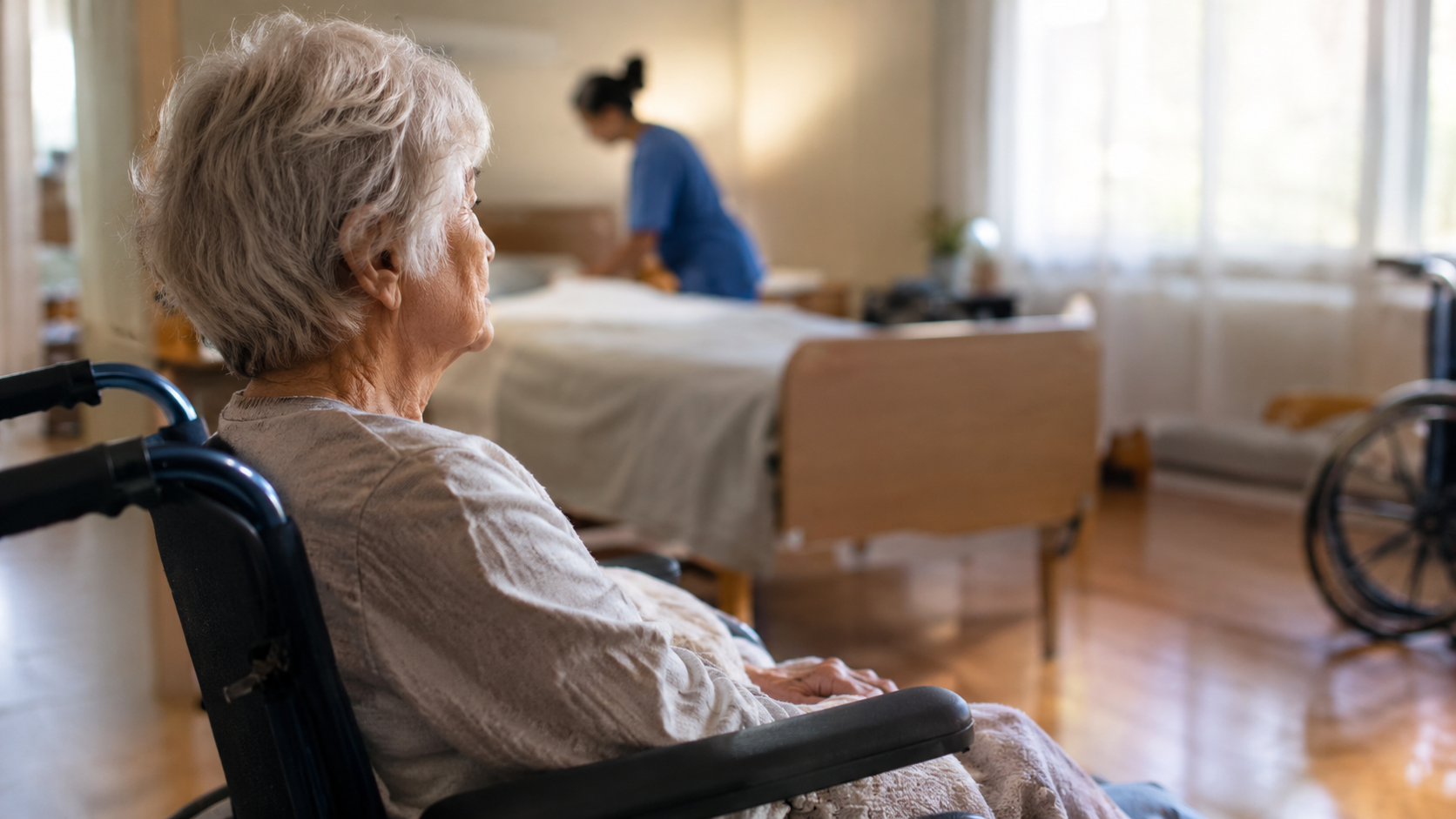
When a family places a loved one in a nursing home, we understand the decision is often made with the expectation that the resident will receive consistent care, supervision, medical attention, nutrition, and assistance with everyday needs. Nursing home residents may depend on caregivers for activities that many people take for granted, including getting out of bed, taking medications, eating, drinking, bathing, using the restroom, and moving safely throughout a facility.
When a nursing home experiences chronic understaffing, providing that level of care can become more difficult. A shortage of caregivers may contribute to missed or delayed care, but staffing problems must be examined in the context of what actually happened to the resident. At Zaveri Law Firm, our team understands that potential nursing home negligence cases require careful investigation of medical records, staffing information, incident reports, witness accounts, and other evidence.
What Does Nursing Home Understaffing Mean?
Nursing home understaffing occurs when a facility does not have enough qualified personnel available to provide the care residents require. Staffing concerns may involve too few nurses, aides, or other caregivers for the number and needs of residents.
Chronic understaffing can become particularly concerning when residents require extensive assistance. A resident who needs help transferring from a bed to a wheelchair, for example, may be placed at greater risk when assistance is consistently delayed. Another resident may require regular repositioning because of limited mobility, while someone else may need close supervision because of a history of falls or wandering.
The important question is not simply whether a facility had staffing difficulties. Our team looks at whether the circumstances contributed to inadequate care, an injury, worsening health, or another form of harm.
How Understaffing Can Affect Resident Care
A nursing home may have established care plans for medications, meals, hygiene, mobility, monitoring, and medical treatment. When there are not enough caregivers available, completing these responsibilities consistently may become challenging.
Missed Medications and Delayed Medical Attention
Medication schedules can be complicated, particularly for residents taking several prescriptions. A missed, delayed, or incorrectly administered medication can potentially cause serious consequences depending on the medication and the resident's medical condition.
Understaffing may also contribute to delays in recognizing changes in a resident's condition. A resident experiencing difficulty breathing, confusion, weakness, pain, fever, or another concerning symptom may require prompt assessment and medical attention. Delays may allow a condition to worsen.
Our team can examine medication administration records, nursing notes, physician records, hospital records, and other documentation when evaluating whether appropriate care was provided.
Falls and Preventable Injuries
Falls are a significant concern for residents with mobility limitations, balance problems, weakness, cognitive impairments, or previous falls. Appropriate precautions may include assistance with transfers, supervision, mobility devices, environmental safety measures, and individualized fall-prevention plans.
If a resident repeatedly asks for assistance but help is delayed, or if known fall risks are not properly addressed, the circumstances may warrant further investigation. Our existing nursing home fall resources discuss how inadequate supervision, delayed assistance, and other care failures may contribute to preventable falls.
A fall may result in fractures, head injuries, hospitalization, loss of mobility, or other serious complications.
Pressure Ulcers and Inadequate Repositioning
Residents who spend extended periods in bed or in a wheelchair may be vulnerable to pressure injuries. Proper care may require repositioning, skin assessments, hygiene, nutrition, hydration, and appropriate treatment when early signs of injury appear.
A pressure ulcer does not automatically prove nursing home negligence. However, the development or worsening of a pressure injury may raise important questions about whether appropriate preventive measures were provided.
Our team may review repositioning records, nursing documentation, treatment records, photographs, dietary information, and medical evaluations when investigating these concerns.
Poor Nutrition and Dehydration
Some residents require assistance with eating or drinking. Others may have dietary restrictions, swallowing difficulties, or medical conditions requiring special nutritional monitoring.
Repeatedly missed meals, inadequate assistance, insufficient fluids, or failure to respond to signs of dehydration can have serious consequences. Weight loss, weakness, confusion, infections, and other medical problems may sometimes be associated with inadequate nutrition or hydration.
Families should pay attention to unexplained changes in weight, appetite, energy, or physical condition and communicate concerns promptly.
Hygiene and Personal-Care Problems
Residents may depend on caregivers for bathing, toileting, changing clothing, oral care, grooming, and other personal needs. When those needs are repeatedly ignored or delayed, residents can experience discomfort, infections, skin problems, emotional distress, or loss of dignity.
One isolated problem may have an explanation. A continuing pattern of inadequate hygiene or unanswered requests for assistance, however, may justify closer examination of the resident's care.
Wandering and Elopement Risks
Some residents have cognitive impairments that make wandering or leaving a facility particularly dangerous. Facilities may need to understand an individual's risks and follow appropriate supervision and safety measures.
If a resident with known wandering or elopement risks is left inadequately supervised and suffers harm after leaving a secure area, the circumstances should be investigated carefully.
Delayed Responses to Emergencies
In an emergency, minutes can matter. A resident who falls, becomes unresponsive, develops breathing difficulties, experiences chest pain, or shows other serious symptoms may require immediate attention.
Chronic staffing shortages may contribute to delayed responses in some circumstances. However, proving negligence requires more than establishing that a facility was understaffed. Our investigation focuses on what the facility knew, what care the resident required, what staff did or failed to do, and whether those actions or omissions contributed to the injury.
When Can Understaffing Contribute to Nursing Home Neglect?
Nursing home neglect can involve failing to provide necessary care, supervision, medical attention, nutrition, hydration, hygiene, or assistance. Zaveri Law Firm's nursing home abuse resources identify neglect as a potential problem involving inadequate feeding, hydration, hygiene, medical care, and attention to residents' needs.
Understaffing can be one factor contributing to these failures. For example, a facility may know that a resident requires regular repositioning but repeatedly fail to provide it. A resident may require assistance to use the restroom but repeatedly wait for extended periods. A high-risk resident may require supervision after previous falls, yet appropriate precautions may not consistently be followed.
The legal analysis depends on the facts and evidence. Staffing problems alone do not automatically establish nursing home negligence, abuse, or liability.
What Evidence May Demonstrate Inadequate Care?
When our team investigates a potential nursing home negligence claim, documentation can be extremely important. Relevant evidence may include:
- Staffing records and schedules
- Resident care plans
- Nursing notes
- Medication administration records
- Medical records
- Incident and accident reports
- Hospital records
- Photographs of injuries or living conditions
- Pressure ulcer documentation
- Fall records
- Dietary and hydration records
- Facility communications
- Complaints made by family members
- Statements from caregivers, residents, or witnesses
- Documentation concerning previous similar incidents
A pattern can sometimes be more informative than a single event. Repeated complaints, recurring injuries, unexplained medical deterioration, or multiple documented failures may provide important context.
How Families Can Document Nursing Home Concerns
Families can take practical steps when they are concerned about a loved one's care.
Keep a written timeline of concerning events. Record dates, symptoms, conversations with staff, requests for assistance, injuries, hospital visits, and changes in the resident's condition.
Ask questions and document the responses. If a family member reports a fall, unexplained injury, missed medication, pressure injury, dehydration, or other concern, keep copies of relevant communications whenever possible.
Photographs may also help document visible injuries or changes in a resident's condition. Medical records and hospital documentation can provide additional information about diagnoses and treatment.
Families should also avoid making assumptions about the cause of an injury before the evidence has been reviewed. A careful investigation can help distinguish an unavoidable medical event from a potential failure in care.
When Should You Investigate Potential Nursing Home Negligence?
A potential investigation may be appropriate when a resident suffers an unexplained or preventable-looking injury, experiences repeated falls, develops serious pressure ulcers, shows unexplained deterioration, receives incorrect or delayed medication, or repeatedly reports that basic care is being withheld.
Other warning signs may include unexplained bruising, significant weight loss, dehydration, poor hygiene, untreated medical problems, sudden behavioral changes, or repeated complaints that requests for assistance are ignored.
Our nursing home abuse practice focuses on situations involving neglect, medical care concerns, and other forms of harm to vulnerable residents.
Early legal guidance can also help families understand what records may be relevant and what steps should be taken to preserve evidence.
Potential Legal Claims and Damages
Depending on the facts, a nursing home negligence case may involve claims related to physical injuries, medical complications, pain and suffering, additional medical treatment, hospitalization, rehabilitation, and other losses.
In serious cases, a resident may require long-term treatment or additional care because of an injury. Families may also face significant financial and emotional consequences.
Every case is different. Our team evaluates the available evidence to determine whether the facts support a potential legal claim and what damages may be available under the applicable law.
Do Not Speak With Insurance Companies Without Legal Representation
If a nursing home resident has suffered a serious injury and an insurance company becomes involved, families should be cautious about providing statements, signing documents, or discussing the circumstances without legal guidance.
Do not talk to insurance companies without legal representation.
Instead, call the Zaveri Law Firm. Our team can communicate with insurance companies on your behalf so you do not have to manage those communications alone. Our goal is to protect your interests while we investigate the circumstances surrounding the resident's injury.
Frequently Asked Questions
Is nursing home understaffing automatically considered negligence?
No. Understaffing alone does not automatically establish legal liability. The circumstances must be evaluated to determine whether inadequate staffing contributed to a failure of care and whether that failure caused harm.
Can understaffing cause nursing home injuries?
Understaffing can contribute to circumstances such as delayed assistance, inadequate supervision, missed care, or delayed responses. However, each injury requires an individual review of the facts, medical evidence, and applicable legal requirements.
What records should families request?
Relevant records may include medical records, care plans, medication records, incident reports, staffing information, dietary records, nursing notes, and documentation concerning falls or pressure injuries.
Can a pressure ulcer indicate nursing home neglect?
A pressure ulcer does not automatically establish neglect. However, when a resident develops or experiences worsening pressure injuries, the circumstances surrounding repositioning, nutrition, hydration, hygiene, monitoring, and treatment may deserve investigation.
What should I do if I believe my loved one is being neglected?
Document your concerns, seek appropriate medical attention for the resident, preserve relevant records and communications, and speak with an attorney about the circumstances. If you believe your loved one has suffered harm because of inadequate care, call the Zaveri Law Firm for legal guidance.
Conclusion
Chronic nursing home understaffing can create serious challenges for residents who depend on caregivers for essential daily and medical needs. Missed medications, delayed assistance, falls, pressure injuries, dehydration, poor hygiene, wandering risks, and delayed emergency responses may all raise concerns when they occur in the context of inadequate care.
At the same time, staffing shortages alone do not establish nursing home negligence. Our team looks beyond staffing numbers to examine what care was required, what actually happened, what records show, and whether a failure in care contributed to the resident's injury.
If your loved one has suffered an unexplained injury, pressure ulcer, fall, medication error, medical complication, or other harm while living in a nursing home, you do not have to investigate the situation alone. Call the Zaveri Law Firm so our team can review your concerns, investigate the available evidence, and explain your legal options.
Do not talk to insurance companies without legal representation. Speak with the Zaveri Law Firm and allow our team to handle communications with insurance companies on your behalf.
Phone: (240) 292-8374
Address: 516 N Charles St #400, Baltimore, Maryland, MD 21201
Website: zaverilawfirm.com