Seeking Accountability After a Preventable Fatal Accident
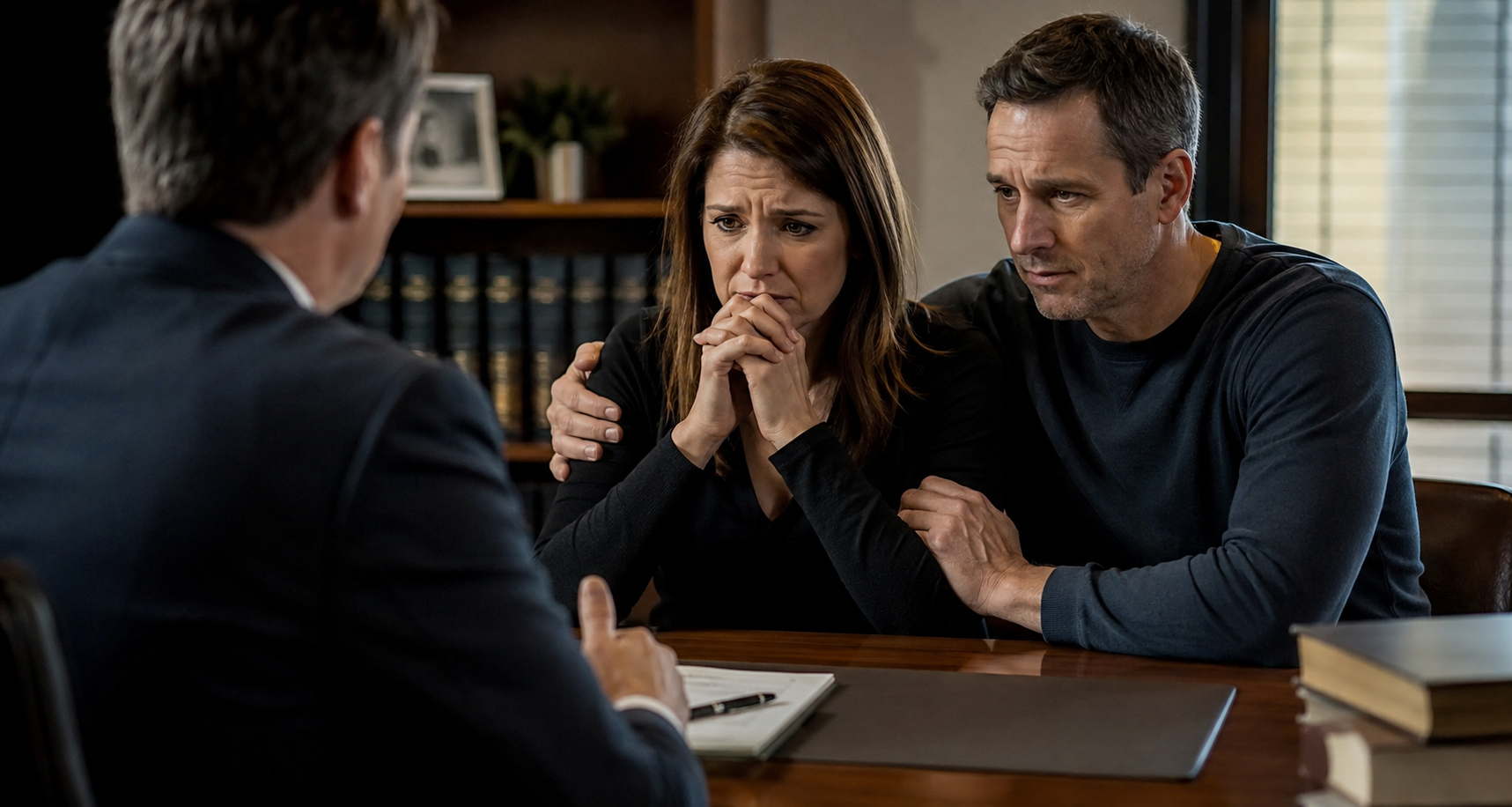
Losing someone you love is one of the most devastating experiences anyone can face. When that loss happens because another person, business, or organization acted carelessly, the pain often comes with unanswered questions, financial uncertainty, and an overwhelming desire for accountability. Families are suddenly expected to navigate funeral arrangements, medical expenses, lost income, insurance companies, and complicated legal issues while trying to grieve.

A preventable fatal accident changes every aspect of a family's future. Children lose parents, spouses lose lifelong partners, and parents face the unimaginable loss of a child. While no legal action can replace the person who was taken too soon, pursuing a wrongful death claim can help provide financial stability and hold negligent parties responsible for the harm they caused.

At Zaveri Law Firm, we understand that wrongful death cases involve much more than paperwork and court filings. Every case represents a family whose life has been permanently changed. Our team is committed to helping families throughout Baltimore and Maryland seek justice while handling the legal process with compassion, professionalism, and determination.

If your loved one died because of someone else's negligence, do not try to handle insurance companies on your own. Do not talk to insurance companies without legal representation. Instead, contact Zaveri Law Firm as soon as possible. Our legal team will handle communications with insurance companies while you focus on your family.


What Is a Wrongful Death Claim?

A wrongful death claim is a civil legal action brought when a person's death was caused by another party's negligent, reckless, or wrongful conduct.

These cases are not about assigning criminal guilt. Instead, they seek financial compensation for surviving family members who have suffered tremendous losses because someone failed to exercise reasonable care.

Wrongful death cases may arise from numerous situations, including:

Each situation is unique, but they often share one common factor: the tragedy could have been prevented if someone had acted responsibly.


Preventable Fatal Accidents Happen More Often Than Many People Realize

Many fatal accidents occur without warning, but they are not always unavoidable.

Examples include:

In many cases, surviving families initially believe the accident was simply unavoidable. After a thorough investigation, evidence often reveals that someone ignored obvious risks, violated safety procedures, or failed to protect others from foreseeable harm.

Identifying those failures requires experience, resources, and prompt legal action. For more insights on safety regulations and legal updates, visit our blog.


The Emotional Impact on Families

The loss of a loved one affects every member of the family differently.

Some struggle with overwhelming grief.

Others experience anxiety, depression, anger, or guilt, conditions often addressed in mental health resources from medical authorities like the Mayo Clinic.

Children may have difficulty understanding why their parent is gone.

Spouses suddenly face raising children alone while managing household finances.

Adult children may unexpectedly become caregivers for surviving parents.

The emotional burden can last for years.

While no legal case can heal emotional wounds, obtaining justice often provides families with a sense of accountability and answers that help them move forward.


Financial Challenges Following a Wrongful Death

Beyond emotional suffering, families frequently experience immediate financial hardship.

Expenses may include:

If the deceased was the primary wage earner, surviving family members may suddenly struggle to pay mortgages, rent, utilities, education costs, and everyday living expenses.

A wrongful death claim seeks compensation for these significant financial losses.


Why Evidence Matters

Wrongful death cases depend heavily on evidence.

Important evidence may include:

Unfortunately, valuable evidence can disappear over time.

Security camera footage may be erased.

Vehicles may be repaired.

Witnesses may become difficult to locate.

Documents may be misplaced.

Prompt legal representation helps preserve crucial evidence before it is lost.


Common Causes of Wrongful Death Cases in Baltimore

Baltimore experiences heavy traffic, busy intersections, construction projects, commercial transportation, and densely populated neighborhoods.

As a result, wrongful death claims frequently involve serious motor vehicle collisions.

Common examples include:

Car Accidents

High-speed crashes, distracted driving, impaired driving, and reckless behavior continue to cause fatal injuries throughout Baltimore.


Truck Accidents

Large commercial trucks can cause catastrophic injuries due to their size and weight.

These cases often involve multiple potentially responsible parties, including trucking companies, maintenance providers, cargo loaders, and commercial drivers.


Motorcycle Accidents

Motorcyclists have very little protection during collisions.

Even relatively moderate crashes can result in fatal injuries.


Pedestrian Accidents

Busy city streets create significant risks for pedestrians.

Drivers who fail to remain attentive can cause devastating consequences.


Medical Malpractice

Healthcare providers sometimes make preventable mistakes involving surgery, diagnosis, medication, anesthesia, or emergency treatment.

These cases require extensive investigation and medical expert review.


Workplace Accidents

Construction sites, industrial facilities, warehouses, and transportation jobs expose workers to serious hazards.

When negligence contributes to a fatal accident, surviving families may have legal options beyond workers' compensation.


Holding Negligent Parties Accountable

Wrongful death claims are not about revenge.

They are about accountability.

When individuals or organizations know they may be held responsible for unsafe conduct, they are more likely to improve safety practices.

Holding negligent parties accountable may encourage:

Every successful case has the potential to prevent future tragedies.


Insurance Companies Are Not on Your Side

Many families receive calls from insurance adjusters shortly after a fatal accident.

These conversations may seem compassionate.

However, insurance companies are focused on protecting their financial interests.

Adjusters may ask questions designed to obtain statements that could later reduce or deny compensation.

They may encourage families to accept early settlements before the full impact of the loss is understood.

They may request recorded statements that can later be used against surviving family members.

Do not talk to insurance companies without legal representation.

Instead, contact Zaveri Law Firm immediately. Our legal team will communicate with insurance companies on your behalf, protect your rights, and ensure your family's interests remain the priority.


How Zaveri Law Firm Helps Families

Wrongful death litigation requires careful preparation and thorough investigation.

Our legal team works to build strong cases by:

Our goal is to allow families to focus on healing while we handle the legal process.


Compensation May Address Many Types of Losses

Every wrongful death case is unique.

Depending on the circumstances, compensation may include damages related to:

Determining the full value of these losses often requires detailed financial analysis and expert evaluation.


Why Every Case Deserves a Thorough Investigation

At first glance, some fatal accidents appear straightforward.

However, deeper investigations frequently uncover additional responsible parties.

For example:

A trucking accident may involve negligent maintenance.

A fatal workplace accident may reveal ignored safety violations.

A defective product may have been improperly designed or manufactured.

A medical error may involve multiple providers.

A complete investigation ensures every potentially responsible party is identified.


Compassionate Representation During a Difficult Time

Families should never feel pressured into making legal decisions immediately after losing someone they love.

At Zaveri Law Firm, we understand that grief affects everyone differently.

We take time to explain the legal process, answer questions honestly, and provide guidance tailored to each family's circumstances.

Clients deserve regular communication, transparency, and compassionate representation throughout every stage of the case.


Building a Strong Case Requires Experience

Wrongful death litigation often involves:

Experience matters because every piece of evidence contributes to establishing liability and demonstrating the full impact of the family's loss.

Preparation from the beginning often makes a significant difference throughout the legal process.


Families Should Focus on Healing

Grief already demands enormous emotional energy.

Families should not also have to manage complicated legal disputes or stressful insurance communications.

By working with Zaveri Law Firm, families can focus on honoring their loved one's memory while our legal team manages investigations, documentation, deadlines, negotiations when appropriate within the legal process, and litigation strategy. More importantly, you should not communicate with insurance companies yourself—our attorneys will handle those communications for you.


Frequently Asked Questions

How do I know if my family has a wrongful death case?

If your loved one died because another person or organization acted negligently or carelessly, you may have legal options. Speaking with Zaveri Law Firm is the best way to understand your rights.

What should I do if an insurance company contacts me?

Do not speak with the insurance company without legal representation. Contact Zaveri Law Firm immediately so our attorneys can handle all communications on your behalf.

How soon should I contact an attorney?

As soon as possible. Early legal involvement helps preserve evidence, locate witnesses, and protect your family's rights.

Will we have to investigate everything ourselves?

No. Zaveri Law Firm handles the investigation, gathers evidence, consults experts, and manages the legal process while keeping you informed.

Can compensation replace my loved one?

No amount of money can replace a family member. A wrongful death claim is intended to provide financial support and hold negligent parties accountable for the harm they caused.


Conclusion

The death of a loved one caused by someone else's negligence is a tragedy that leaves lasting emotional and financial consequences. While nothing can erase the pain, seeking accountability can provide answers, financial security, and a sense that those responsible are being held accountable for their actions.

Wrongful death cases require careful investigation, strong evidence, and experienced legal representation. Acting promptly can help preserve critical evidence and protect your family's rights during an already overwhelming time.

If your family is facing the aftermath of a preventable fatal accident in Baltimore or elsewhere in Maryland, you do not have to face the legal process alone.

If you have lost a loved one because of a preventable accident, contact Zaveri Law Firm before speaking with any insurance company.

Do not talk to insurance companies without legal representation. Let our attorneys handle all communications while you focus on your family and your healing.

Zaveri Law Firm
Wrongful Death Representation
Phone: (240) 292-8374
Address: 516 N Charles St #400, Baltimore, MD 21201
Email: kzaveri@zaverilawfirm.com
Website: zaverilawfirm.com


Residential Fires and Negligence: Who May Be Held Accountable for Preventable Tragedies?

Residential fires can change lives in a matter of minutes. Families may lose their homes, treasured belongings, and, in the most heartbreaking situations, loved ones. Survivors often face extensive medical treatment, emotional trauma, lost income, and the overwhelming task of rebuilding their lives. While some residential fires occur because of unavoidable accidents, many are the result of negligence that could have been prevented.

When a property owner, landlord, property management company, contractor, or another responsible party fails to maintain a reasonably safe property, the consequences can be devastating. If negligence contributed to a residential fire, injured victims may have the right to pursue compensation for their losses. Understanding who may be held accountable is an important first step toward protecting your rights after a fire-related injury.

At Zaveri Law Firm, we understand the physical, emotional, and financial challenges that follow serious accidents. Our legal team helps individuals and families evaluate whether negligence played a role in a residential fire and works to pursue the compensation they deserve.


Understanding Residential Fire Negligence

Not every residential fire results in legal liability. However, when a fire occurs because someone failed to take reasonable steps to prevent foreseeable hazards, negligence may exist.

Property owners and others responsible for maintaining residential properties are generally expected to address dangerous conditions that could increase the risk of fire. Ignoring known hazards, delaying necessary repairs, or failing to follow accepted safety practices may place residents and visitors at unnecessary risk.

Negligence may involve one mistake or a combination of unsafe conditions that ultimately contribute to a fire.


What Is Premises Liability?

Premises liability refers to the legal responsibility property owners and those who control a property may have when dangerous conditions cause injuries. Residential fires may become premises liability cases if unsafe property conditions contributed to the fire or made injuries significantly worse.

Examples include:

Every situation is unique, and determining liability often requires a detailed investigation.


Common Causes of Preventable Residential Fires

Many residential fires could have been avoided with proper maintenance, inspections, and timely repairs.


Electrical Problems

Electrical issues remain one of the leading causes of residential fires. Older buildings, faulty wiring, overloaded circuits, defective outlets, and improperly installed electrical systems can all create dangerous fire risks.

Warning signs may include:

Ignoring these warning signs may allow a dangerous condition to worsen until a fire occurs.


Defective Smoke Detectors

Smoke detectors save lives by providing early warning during a fire. Property owners who fail to install working smoke detectors or neglect routine maintenance may significantly increase the risk of serious injuries or fatalities.

Common problems include:

Even a few extra minutes of warning can make the difference between escaping safely and suffering catastrophic injuries.


Faulty Heating Equipment

Space heaters, furnaces, boilers, fireplaces, and HVAC systems require regular inspection and maintenance. When heating equipment is neglected or improperly repaired, it can become a major fire hazard.

Potential issues include:

Routine maintenance helps reduce these risks significantly.


Kitchen Fire Hazards

Cooking remains one of the most common causes of residential fires. While many kitchen fires involve individual mistakes, some result from defective appliances or unsafe property conditions.

Examples include:

If landlords ignore reports of malfunctioning kitchen equipment, they may face liability if a preventable fire occurs.


Unsafe Building Maintenance

Poor building maintenance can create multiple fire hazards throughout a property.

Examples include:

Routine inspections and timely repairs are essential to reducing fire risks.


Who May Be Held Accountable?

One of the most important questions after a residential fire is determining who may be legally responsible. Liability depends on the facts surrounding each case.


Property Owners

Property owners have an ongoing responsibility to address dangerous conditions that they know about or reasonably should have discovered.

A property owner who ignores fire hazards or delays necessary repairs may be held accountable if those unsafe conditions contribute to a fire.

Examples include:


Landlords

Landlords have important responsibilities regarding the safety of rental properties.

Depending on the circumstances, landlords may be responsible for:

Failure to take reasonable action after learning about a dangerous condition may expose a landlord to liability.


Property Management Companies

Many apartment complexes and rental communities rely on property management companies to oversee daily operations.

These companies may share responsibility if they fail to:

Determining responsibility often requires reviewing maintenance records, inspection reports, and communication logs.


Contractors and Maintenance Companies

Sometimes third-party contractors perform electrical work, HVAC repairs, renovations, or maintenance services.

If careless workmanship creates a dangerous fire hazard, those contractors may also bear responsibility for resulting injuries.

Examples include:

Construction defects may not become apparent until months or even years after work is completed.


Manufacturers of Defective Products

Not every fire begins because of unsafe property conditions. Sometimes defective consumer products contribute to residential fires.

Examples include:

When defective products contribute to injuries, product liability claims may also become part of the legal case.


Determining Whether Negligence Contributed to the Fire

Determining responsibility after a residential fire often requires a thorough investigation. Fire scenes can be complex, and multiple factors may have contributed to the incident.

Experienced attorneys frequently work alongside investigators and other professionals to examine the available evidence and identify the factors that may have led to the fire.

Important evidence may include:

Because crucial evidence can disappear quickly after a fire, acting promptly may help preserve information that could support a claim.


Injuries Commonly Associated with Residential Fires

Residential fires often result in far more than property damage. Survivors may experience life-changing injuries that require extensive medical care and long-term recovery.


Burn Injuries

According to Mayo Clinic, burn injuries vary in severity, from minor burns requiring outpatient treatment to catastrophic injuries involving skin grafts, reconstructive procedures, and permanent scarring.

Severe burns may also lead to chronic pain, nerve damage, reduced mobility, and long-term emotional challenges related to permanent disfigurement.


Smoke Inhalation

Smoke inhalation is one of the leading causes of fire-related deaths and serious injuries. Even individuals who escape flames may suffer significant harm after breathing toxic smoke and gases produced during a residential fire.

Smoke inhalation can result in respiratory complications, lung damage, reduced oxygen levels, and other medical emergencies requiring immediate treatment.


Traumatic Injuries During Escape

Escaping a burning home can be chaotic and dangerous. Individuals may suffer broken bones, head injuries, cuts, sprains, or spinal injuries while trying to exit the property. Falling debris, collapsing staircases, shattered windows, and structural failures can all contribute to serious injuries.

In some cases, these injuries require surgery, physical therapy, or ongoing rehabilitation, making recovery even more challenging.


Emotional and Psychological Trauma

The emotional impact of a residential fire can last long after physical injuries have healed. Survivors may struggle with anxiety, depression, post-traumatic stress, sleep disturbances, or fear of returning to their homes. Children are especially vulnerable to the psychological effects of experiencing a house fire.

Mental health treatment, counseling, and therapy may become essential parts of a person's recovery, and these damages should not be overlooked when evaluating the full impact of a fire-related injury.


Damages That May Be Available

Every residential fire case is unique, and the compensation available depends on the specific circumstances. Individuals injured because of another party's negligence may be able to pursue compensation for losses such as:

An experienced premises liability attorney can evaluate the facts of your case and explain what types of damages may be available based on your individual situation.


Why Legal Representation Matters

Residential fire cases are often complex. Determining who is responsible may require reviewing maintenance records, inspection reports, lease agreements, repair histories, fire investigation findings, and other critical evidence. In some cases, multiple parties may share responsibility for the dangerous conditions that led to the fire.

Insurance companies may contact injured individuals soon after the incident and ask for recorded statements or other information. These conversations can affect a future claim.

Do not talk to insurance companies without legal representation. Instead, contact Zaveri Law Firm as soon as possible. Their legal team can handle communications with insurance companies on your behalf while working to protect your rights and interests throughout the claims process.


Frequently Asked Questions

Who can be held responsible for a residential fire?

Depending on the circumstances, liability may involve a property owner, landlord, property management company, contractor, maintenance company, or even the manufacturer of a defective product. A thorough investigation is often necessary to determine who may be legally responsible.

What if I was injured in an apartment fire?

If negligence contributed to the fire, you may have grounds to pursue a premises liability claim. Speaking with an experienced attorney can help you understand your legal options based on the facts of your case.

What evidence can help support a residential fire claim?

Evidence may include fire department reports, photographs, medical records, maintenance records, inspection reports, repair documentation, witness statements, surveillance footage, and expert evaluations. Preserving evidence as early as possible can strengthen your case.

Should I speak with the insurance company after a residential fire?

It is generally in your best interest not to talk to insurance companies without legal representation. Contact Zaveri Law Firm first so an attorney can guide you through the process and communicate with insurance companies on your behalf.

How soon should I contact an attorney?

The sooner you seek legal guidance, the better. Early legal involvement may help preserve important evidence, identify responsible parties, and protect your rights while you focus on your recovery.


Conclusion

A residential fire can leave victims facing overwhelming physical, emotional, and financial hardships. While some fires are unavoidable, many occur because dangerous conditions were ignored or safety responsibilities were neglected. Identifying who may be held accountable is an important step toward seeking justice and obtaining the resources needed to move forward.

If you or a loved one has been injured in a residential fire and believe negligence may have played a role, understanding your legal rights is essential. An experienced premises liability attorney can investigate the circumstances surrounding the fire, identify potentially responsible parties, and advocate for the compensation you may deserve.

If you or someone you love has suffered injuries in a residential fire that may have resulted from negligence, do not face the legal process alone.

Do not talk to insurance companies without legal representation. Contact Zaveri Law Firm to discuss your situation and learn about your legal options. Their experienced legal team is prepared to evaluate your case, answer your questions, and handle communications with insurance companies while you focus on healing and rebuilding your life.

Zaveri Law Firm
516 N Charles St #400
Baltimore, Maryland, MD 21201

Phone: (240) 292-8374
Email: kzaveri@zaverilawfirm.com
Website: zaverilawfirm.com

Hospital Negligence in Emergency Rooms: When Delays Become Dangerous

When people visit an emergency room, they expect immediate medical attention for serious injuries, illnesses, and life-threatening conditions. Emergency departments exist to provide rapid evaluation and treatment when every minute matters. Unfortunately, emergency room negligence can occur when hospitals fail to provide timely care, leading to devastating consequences for patients and their families.

A delay in emergency medical treatment can mean the difference between recovery and permanent disability. In some cases, delays may even result in wrongful death. Whether caused by overcrowding, staffing shortages, communication failures, misdiagnosis, or administrative mistakes, hospital negligence in emergency rooms can have life-altering consequences.

At the Zaveri Law Firm, we understand the profound impact medical negligence can have on victims and their loved ones. Our firm is dedicated to helping individuals who have suffered harm due to preventable medical errors and hospital negligence. We fight to hold negligent healthcare providers accountable and pursue compensation for the losses victims experience.


Understanding Emergency Room Negligence

Emergency room negligence occurs when a hospital, physician, nurse, or healthcare provider fails to provide an acceptable standard of care in an emergency setting.

Not every unfavorable medical outcome is negligence. However, when healthcare providers fail to act reasonably under the circumstances and that failure causes harm, legal liability may exist.

Emergency departments face unique challenges, including:

Despite these challenges, hospitals are expected to maintain systems and procedures that protect patient safety. When those systems fail, patients can suffer severe and preventable injuries. Learn more about how we fight for victims of these systemic failures on our dedicated practice areas page.


Why Timely Emergency Treatment Matters

Emergency medicine revolves around rapid intervention.

Many medical emergencies become significantly more dangerous with every passing minute.

Examples include:

Stroke

A stroke occurs when blood flow to the brain is interrupted.

Brain cells begin dying within minutes.

Prompt diagnosis and treatment may:

Delays in recognizing stroke symptoms can lead to irreversible neurological injuries.


Heart Attack

A heart attack requires immediate medical intervention to restore blood flow to the heart muscle.

Delays may result in:

Emergency room staff must quickly evaluate symptoms such as chest pain, shortness of breath, dizziness, and arm pain. According to the American Heart Association, immediate treatment is paramount because time lost is brain and muscle lost when blood flow is blocked.


Sepsis

Sepsis is a life-threatening response to infection.

Without prompt treatment, sepsis can rapidly progress to:

Every hour of delay may significantly increase the risk of serious complications.


Traumatic Injuries

Victims of car accidents, falls, workplace accidents, and other traumatic incidents often require immediate evaluation.

Delays in diagnosing internal bleeding, head injuries, or spinal injuries can result in catastrophic outcomes.


Common Causes of Emergency Room Delays

Emergency room negligence can arise from various factors.

Some delays occur because healthcare providers fail to recognize the severity of a patient's condition. Others stem from systemic hospital failures.


Overcrowded Emergency Departments

Many hospitals struggle with overcrowding.

When emergency rooms exceed capacity:

While high patient volume presents challenges, hospitals still have a responsibility to implement systems that prioritize critically ill patients.


Inadequate Triage Procedures

Triage is the process of assessing patients and determining treatment priority.

Patients with life-threatening conditions should receive immediate attention.

Negligence may occur when:

An inaccurate triage assessment can create dangerous delays.


Staffing Shortages

Hospitals must maintain adequate staffing levels to provide safe patient care.

Understaffed emergency departments may experience:

When hospitals fail to provide sufficient staffing, patient safety can be compromised.


Communication Failures

Emergency care often involves multiple healthcare professionals.

Doctors, nurses, specialists, technicians, and administrative staff must communicate effectively.

Breakdowns in communication may result in:

Even a simple communication error can have serious consequences in an emergency setting.


Administrative Mistakes

Clerical and administrative errors may seem minor, but they can significantly impact patient care.

Examples include:

Administrative failures can delay critical treatment when time is of the essence. We frequently discuss the legal ramifications of these healthcare oversights on our blog.


Examples of Dangerous Emergency Room Negligence

Emergency room negligence can take many forms.

Failure to Diagnose a Stroke

A patient arrives with slurred speech, facial drooping, and weakness.

Staff mistakenly attribute symptoms to fatigue or intoxication.

Hours pass before proper testing is performed.

As a result, the patient suffers permanent brain damage that may have been prevented with timely treatment.


Delayed Heart Attack Diagnosis

A patient reports chest pain and shortness of breath.

Instead of receiving immediate cardiac testing, the patient waits for several hours.

During the delay, heart muscle damage progresses, resulting in long-term complications.


Missed Internal Bleeding

Following a serious vehicle collision, a patient complains of abdominal pain and dizziness.

The patient is discharged without appropriate imaging studies.

Hours later, internal bleeding becomes life-threatening.


Failure to Recognize Sepsis

A patient presents with signs of infection, fever, and low blood pressure.

Medical staff fail to identify the condition as sepsis.

Delayed treatment allows the infection to spread, leading to organ failure.


Delayed Surgical Consultation

A patient requires emergency surgery.

However, communication failures delay consultation with a surgeon.

The patient's condition worsens while waiting for necessary treatment.


Catastrophic Injuries Caused by Emergency Room Negligence

The consequences of emergency room negligence can be severe and long-lasting.

In many cases, delayed treatment causes catastrophic injuries that permanently alter a victim's life.

Examples include:

Traumatic Brain Injuries

When emergency providers fail to diagnose or treat head trauma promptly, patients may suffer permanent cognitive impairment.

Traumatic brain injuries may cause:


Spinal Cord Injuries

Delays in evaluating spinal trauma can worsen neurological damage.

Victims may experience:


Organ Failure

Delayed treatment of infections, blood loss, or other emergencies may lead to irreversible organ damage.

Patients may require:


Amputations

Failure to restore blood flow or treat severe infections can lead to tissue death.

In some cases, amputation becomes necessary to save a patient's life.


Wrongful Death

Perhaps the most tragic consequence of emergency room negligence is the loss of life.

Families may be left coping with emotional trauma, financial hardship, and unanswered questions about what went wrong.


How Hospitals Can Prevent Emergency Room Negligence

Hospitals have a responsibility to create safe systems that reduce the risk of patient harm.

Effective measures may include:

Improved Staffing

Adequate staffing levels help ensure patients receive prompt evaluation and treatment.

Hospitals should regularly assess patient volume and staffing needs.


Enhanced Training

Ongoing education helps healthcare providers recognize medical emergencies quickly.

Training programs may focus on:


Better Communication Systems

Clear communication protocols can reduce errors and improve coordination among healthcare providers.

Hospitals should encourage accurate documentation and timely information sharing.


Quality Improvement Programs

Regular review of emergency department performance can help identify problems before they result in patient harm.

Hospitals should analyze:


Technology and Monitoring

Electronic health records and monitoring systems can improve efficiency and reduce the likelihood of overlooked information.

Proper use of technology can help emergency departments identify high-risk patients more quickly.


The Financial Impact of Emergency Room Negligence

Victims of medical negligence often face significant financial burdens.

These losses may include:

For catastrophic injury victims, financial losses can continue for years or even decades.

The economic impact often extends beyond the injured individual and affects entire families.


Proving Hospital Negligence in an Emergency Room Case

Not every emergency room delay automatically constitutes negligence. Healthcare providers are not expected to guarantee perfect outcomes. However, they are expected to provide care that meets accepted medical standards.

To establish a medical malpractice claim involving emergency room negligence, several factors generally must be demonstrated.


Duty of Care

The healthcare provider or hospital must have owed a duty of care to the patient.

Once a patient seeks treatment and is accepted for care, medical professionals generally have a responsibility to provide appropriate treatment.


Breach of the Standard of Care

The provider must have failed to act in a manner consistent with accepted medical standards.

Examples may include:


Causation

It must be shown that the delay or negligent action directly contributed to the patient's injury.

For example, if a stroke patient suffers permanent disability because treatment was delayed for several hours, causation may exist.


Damages

The patient must have suffered measurable harm, such as:


Evidence Commonly Used in Emergency Room Negligence Cases

Medical malpractice claims often require extensive investigation.

Important evidence may include:

Medical Records

Hospital records can reveal:

Medical records often provide a detailed timeline of events.


Imaging Studies and Laboratory Results

CT scans, MRIs, X-rays, blood tests, and other diagnostic results may help demonstrate whether delays occurred and how those delays impacted the patient's condition.


Witness Statements

Witnesses may include:

Witness testimony can help establish what occurred during treatment.


Expert Medical Opinions

Medical experts frequently review records and determine whether providers met accepted standards of care.

Expert testimony often plays a significant role in medical malpractice litigation.


Hospital Policies and Procedures

Hospitals typically maintain protocols for handling emergency situations.

Failure to follow established procedures may help demonstrate negligence.


Long-Term Consequences for Victims and Families

The effects of emergency room negligence often extend far beyond the initial injury.

Many victims face lifelong challenges.

Physical Limitations

Catastrophic injuries may affect a person's ability to:

Some individuals require lifelong medical assistance.


Emotional Trauma

Victims frequently experience:

The emotional impact can be just as significant as the physical injury.


Family Burdens

Family members often become caregivers.

Responsibilities may include:

Caregiving demands can place enormous strain on relationships and household finances.


Career and Financial Challenges

Catastrophic injuries may prevent victims from returning to their previous occupations.

Some individuals lose years of earning potential due to disabilities caused by delayed treatment.


What To Do If You Suspect Emergency Room Negligence

If you believe a delay in emergency treatment caused serious harm, taking prompt action may help protect your rights.

Seek Ongoing Medical Care

Your health should remain the top priority.

Continue following medical recommendations and attend all follow-up appointments.

Proper treatment can help maximize recovery and document the extent of your injuries.


Preserve Records

Keep copies of:

These documents may become important evidence.


Document Your Experience

Write down everything you remember about the emergency room visit.

Include details such as:

Memories often fade over time, making early documentation valuable.


Speak With an Experienced Medical Malpractice Attorney

Medical negligence cases can be highly complex.

An attorney can evaluate the circumstances, investigate the facts, and determine whether legal action may be appropriate.

Do not talk to insurance companies without legal representation.

Insurance companies often begin investigating claims shortly after an injury occurs.

If hospital representatives or insurance companies contact you, avoid providing recorded statements or discussing the details of your case without legal representation.

Instead, contact the Zaveri Law Firm immediately.

The legal team can handle communications on your behalf and help protect your interests throughout the claims process.


Why Legal Representation Matters

Hospitals and their insurance providers often have substantial resources available to defend against malpractice claims.

Victims may face challenges such as:

Having experienced legal representation can make a significant difference.

A thorough investigation may uncover evidence showing that a preventable delay caused serious harm.

An attorney can work to pursue compensation for:


Frequently Asked Questions

What is considered emergency room negligence?

Emergency room negligence occurs when a healthcare provider or hospital fails to provide appropriate care and that failure causes injury to a patient. Examples may include delayed diagnosis, treatment delays, medication errors, or failure to recognize serious medical conditions.

Can a long emergency room wait time be malpractice?

Not every wait time constitutes malpractice. However, if a patient experiences a dangerous delay due to negligent triage, misdiagnosis, communication failures, or other preventable errors that result in harm, a claim may exist.

What types of injuries can result from delayed emergency treatment?

Delayed treatment may contribute to:

How do I know if the hospital was negligent?

A medical malpractice attorney can review medical records, consult experts, and investigate whether healthcare providers met accepted standards of care.

How long do I have to pursue a claim?

Every case is unique. It is important to speak with an attorney as soon as possible after discovering a potential injury caused by emergency room negligence.

Can family members file a claim if a loved one dies due to hospital negligence?

In certain circumstances, surviving family members may be able to pursue legal action when negligence contributes to a loved one's death.

An attorney can evaluate the situation and explain available options.

What damages may be available in an emergency room negligence case?

Potential damages may include:

Should I speak with the hospital's insurance company?

No. If an insurance company contacts you, it is generally best to seek legal representation first.

Do not talk to insurance companies without legal representation.

Contact the Zaveri Law Firm so the legal team can handle communications on your behalf.


Conclusion

Emergency rooms play a vital role in protecting public health and responding to life-threatening situations. Patients trust hospitals and healthcare providers to deliver timely treatment when every second counts.

Unfortunately, emergency room negligence can occur when hospitals fail to recognize serious conditions, delay treatment, miscommunicate critical information, or otherwise fall below accepted standards of care. These failures may lead to catastrophic injuries, permanent disabilities, and tragic loss of life.

When delays become dangerous, victims and families deserve answers. Holding negligent healthcare providers accountable not only helps injured individuals pursue compensation but also promotes safer healthcare practices that protect future patients.

If you or a loved one suffered harm because of delayed emergency treatment, it is important to seek experienced legal guidance as soon as possible.

If you believe hospital negligence or emergency room delays caused serious injury or the loss of a loved one, the Zaveri Law Firm is prepared to help.

Our team is committed to advocating for injury victims and pursuing justice on their behalf. We understand the devastating impact medical negligence can have on individuals and families, and we work tirelessly to hold negligent parties accountable.

Do not communicate with insurance companies on your own. Contact the Zaveri Law Firm first and allow our legal team to protect your interests.

Zaveri Law Firm

📍 Address: 516 N Charles St #400, Baltimore, Maryland, MD 21201
📞 Phone: (240) 292-8374
✉️ Email: kzaveri@zaverilawfirm.com
🌐 Website: zaverilawfirm.com

Schedule a consultation today to discuss your situation and learn how we may be able to assist you.